News and Events

Last Day of the GenA Team Workshop in the Philippines

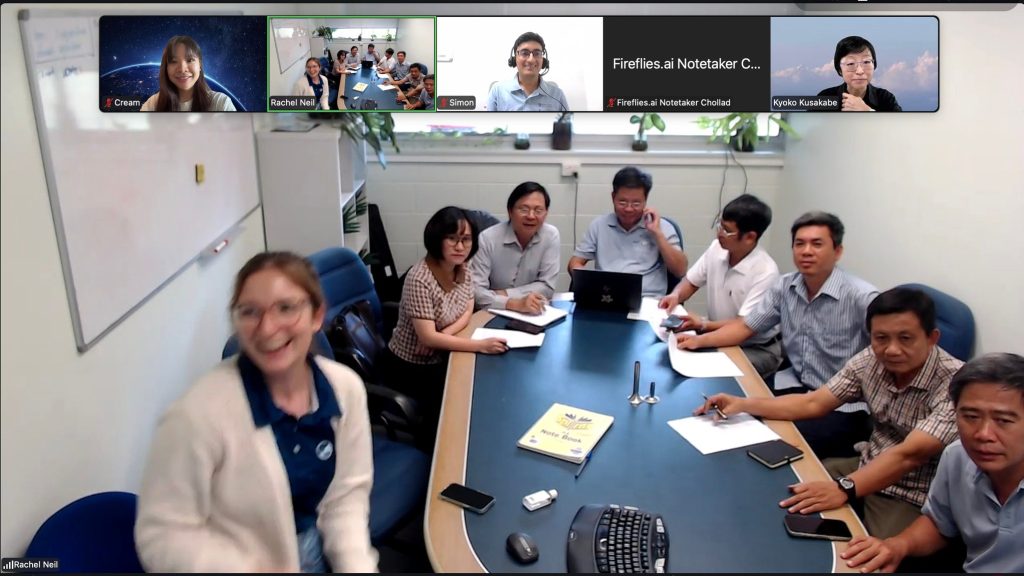
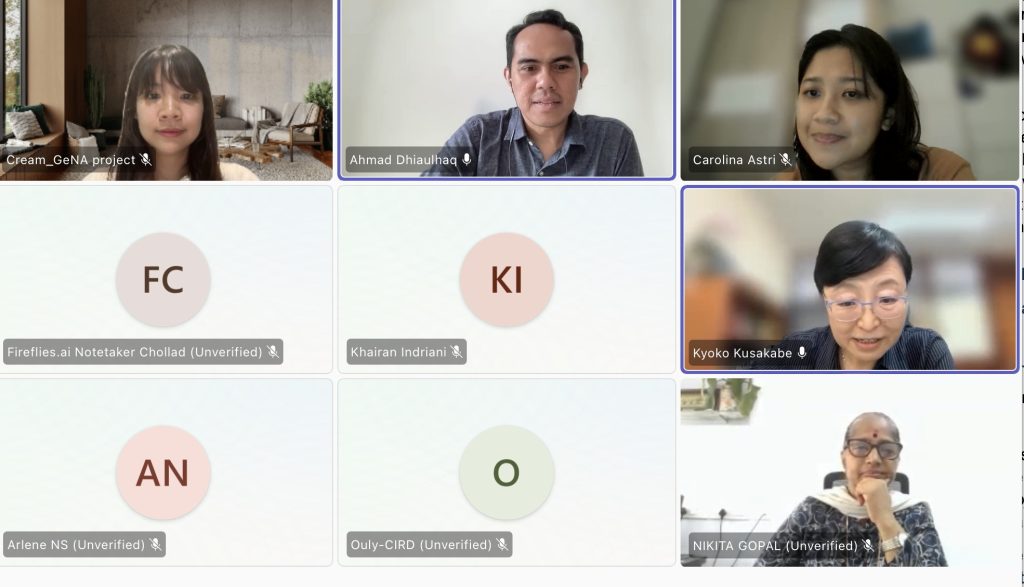
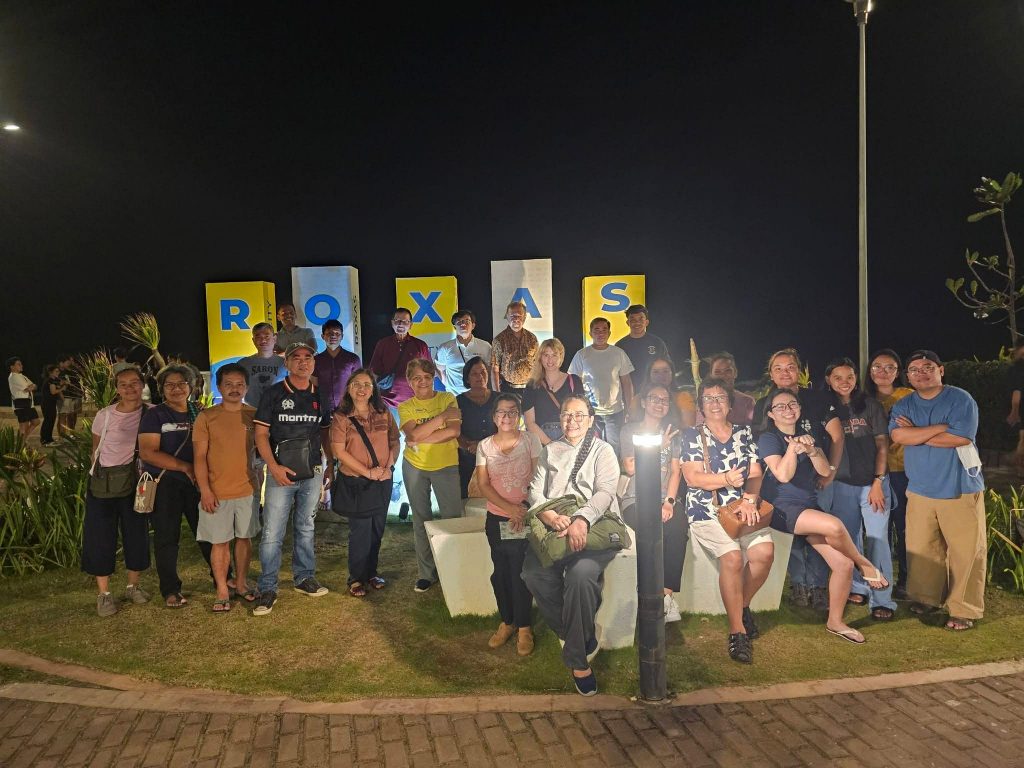
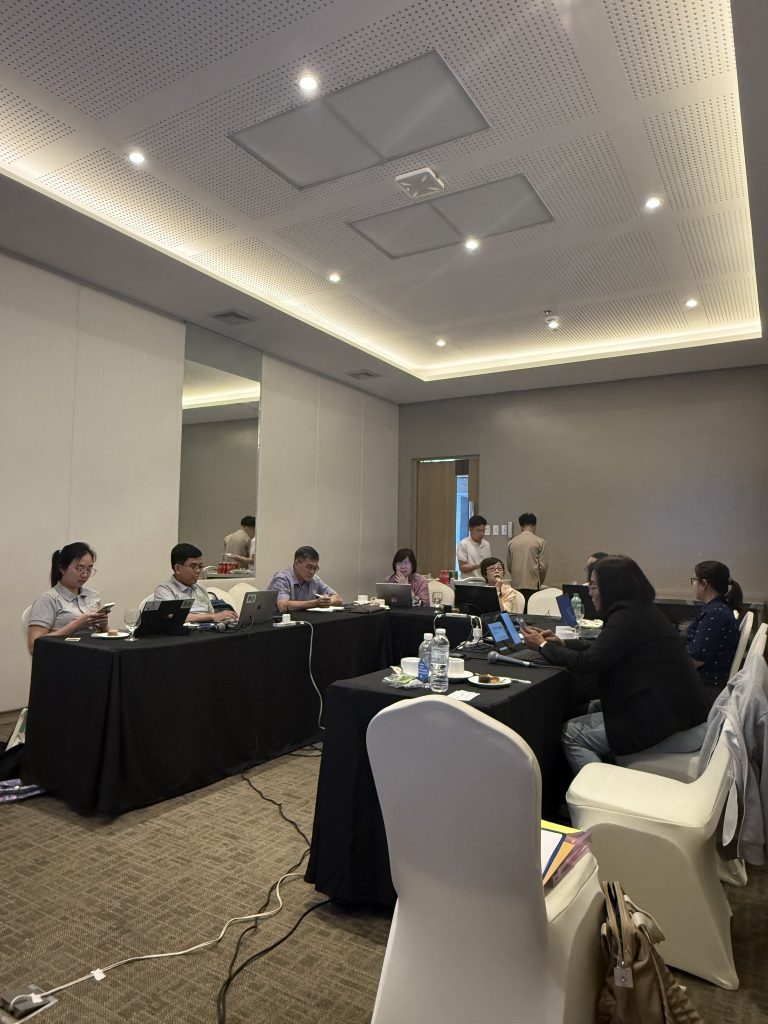
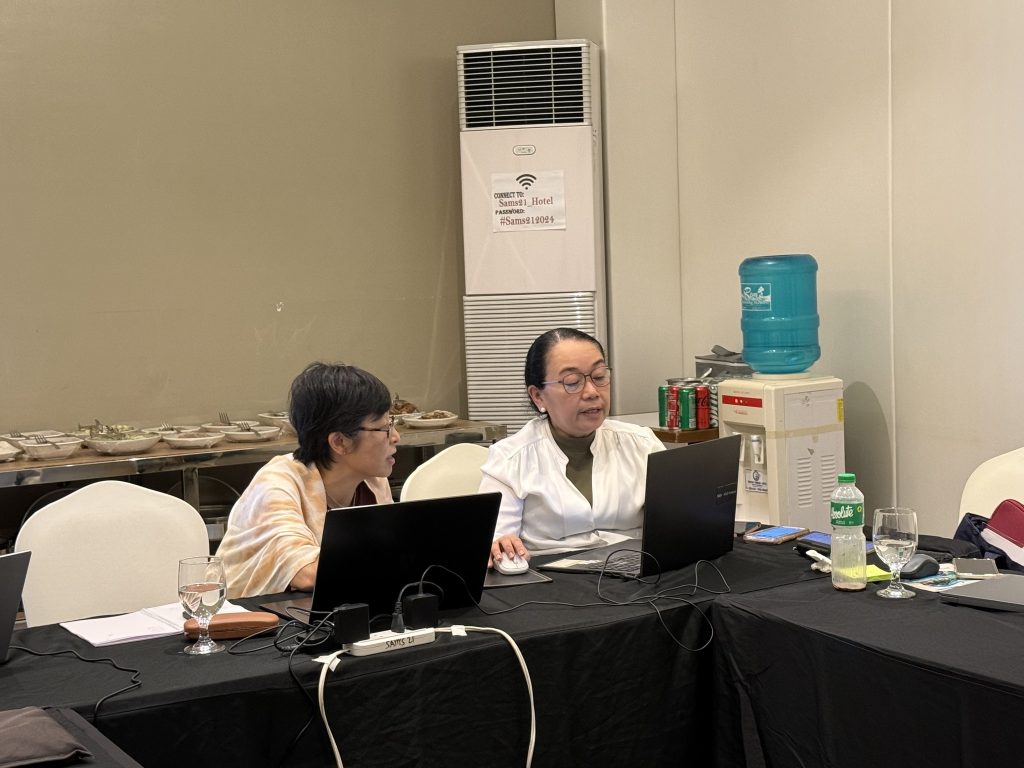
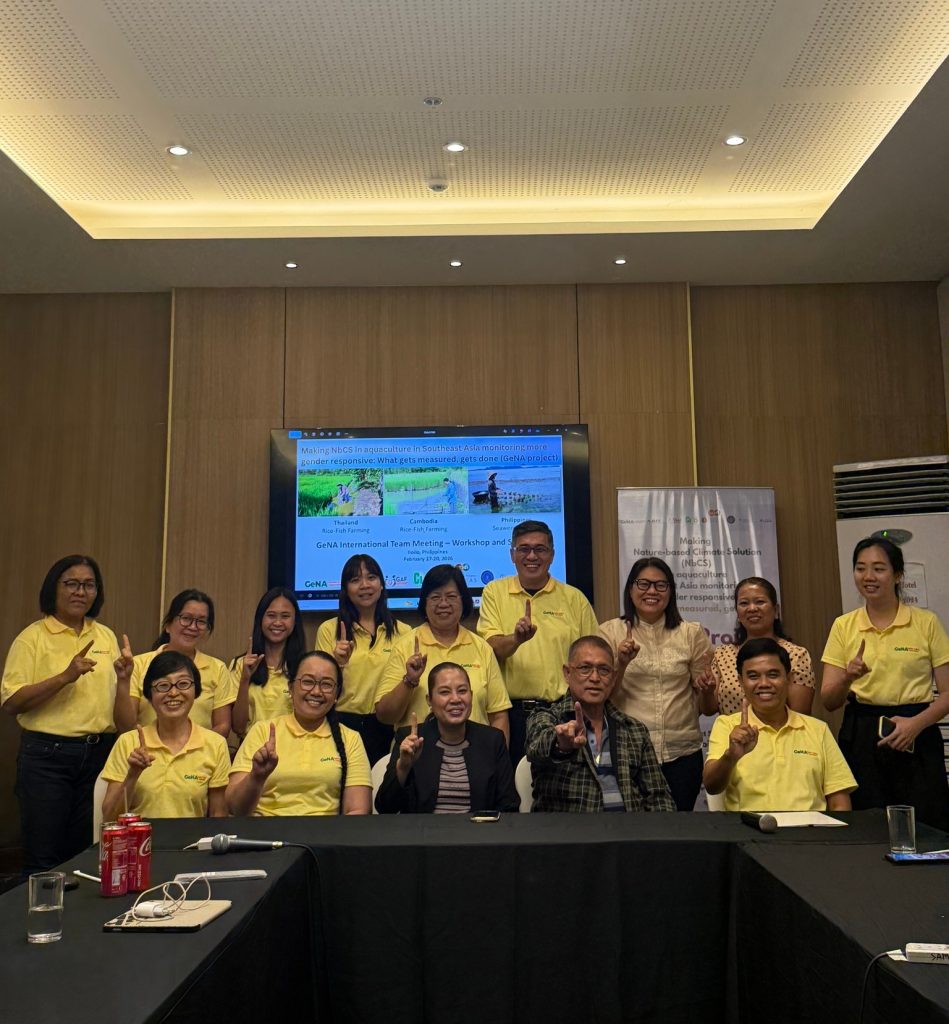
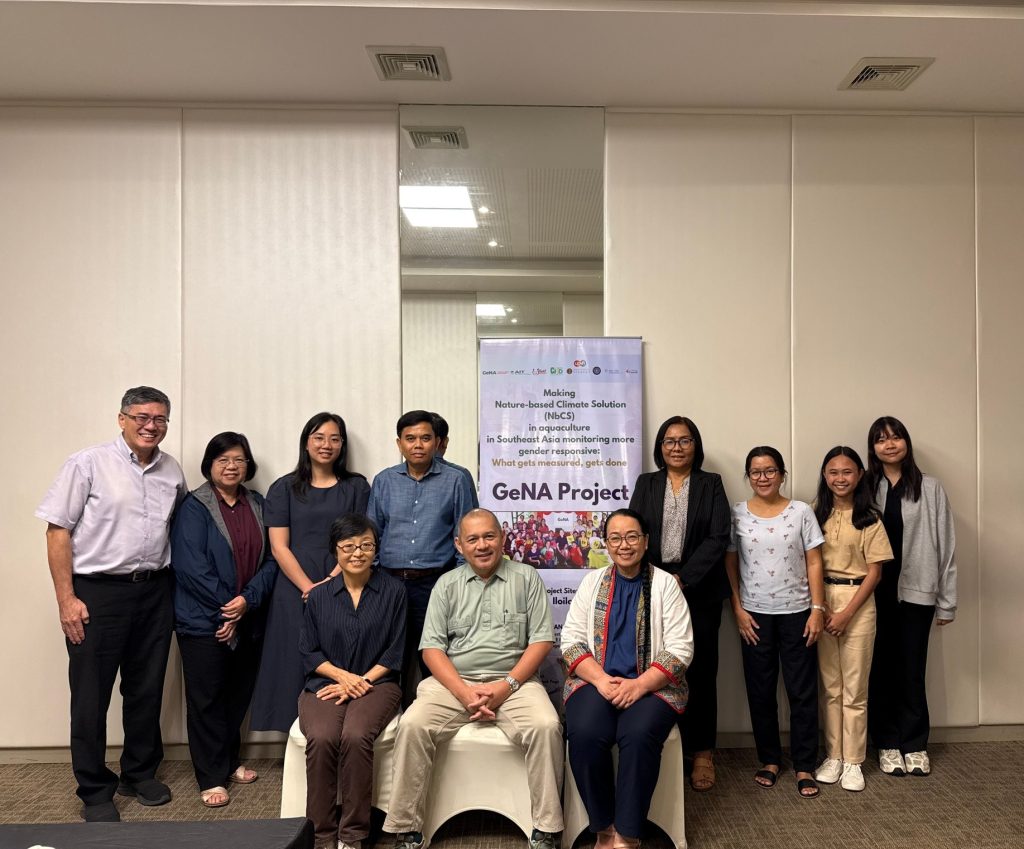
On 20 February, the last day of the GeNA Workshop in Iloilo, Philippines centered on strategic planning and next steps for the initiative. The team concluded key directions for revising and strengthening the Gender Monitoring Schema, drawing on insights gathered throughout the workshop. Discussions also explored upcoming activities that the GeNA team plans to implement over the coming year, including a brainstorming session for the next joint paper focusing on key themes, comparative insights, and potential contributions to regional discourse.
The day closed with initial planning for the upcoming regional workshop and agreement on next steps. The conversations also brought a strong sense of excitement and anticipation, as the team looks forward to seeing new activities, collaborations, and
outputs take shape in the coming months.

Visiting project sites in Iloilo, Philippines

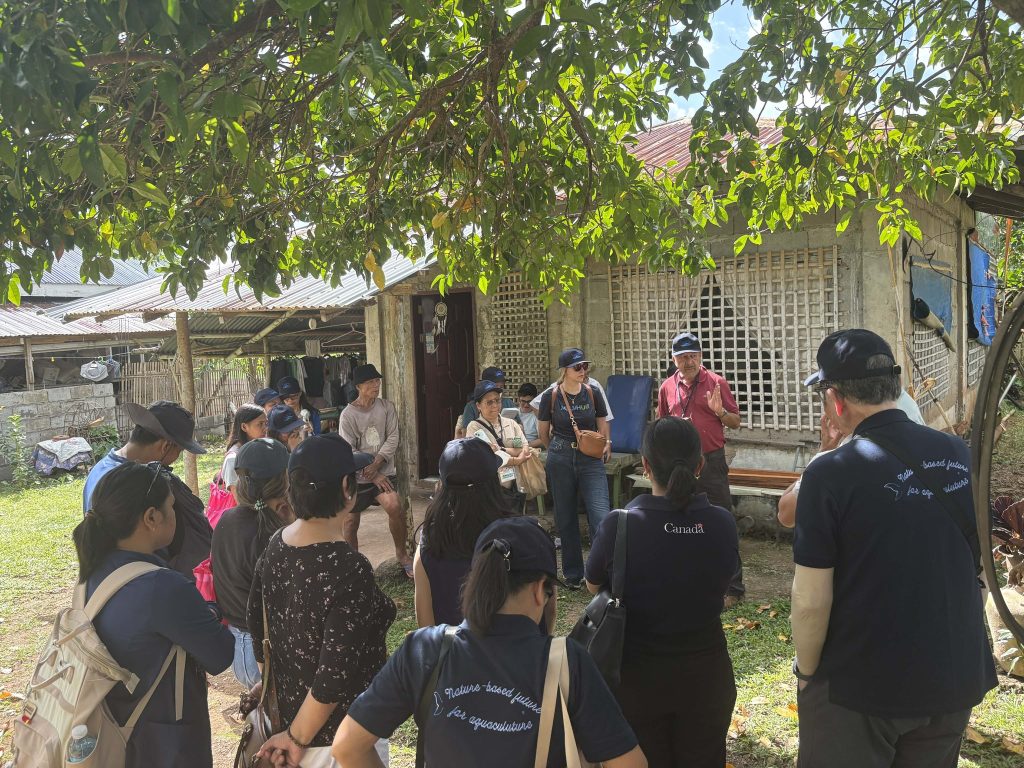
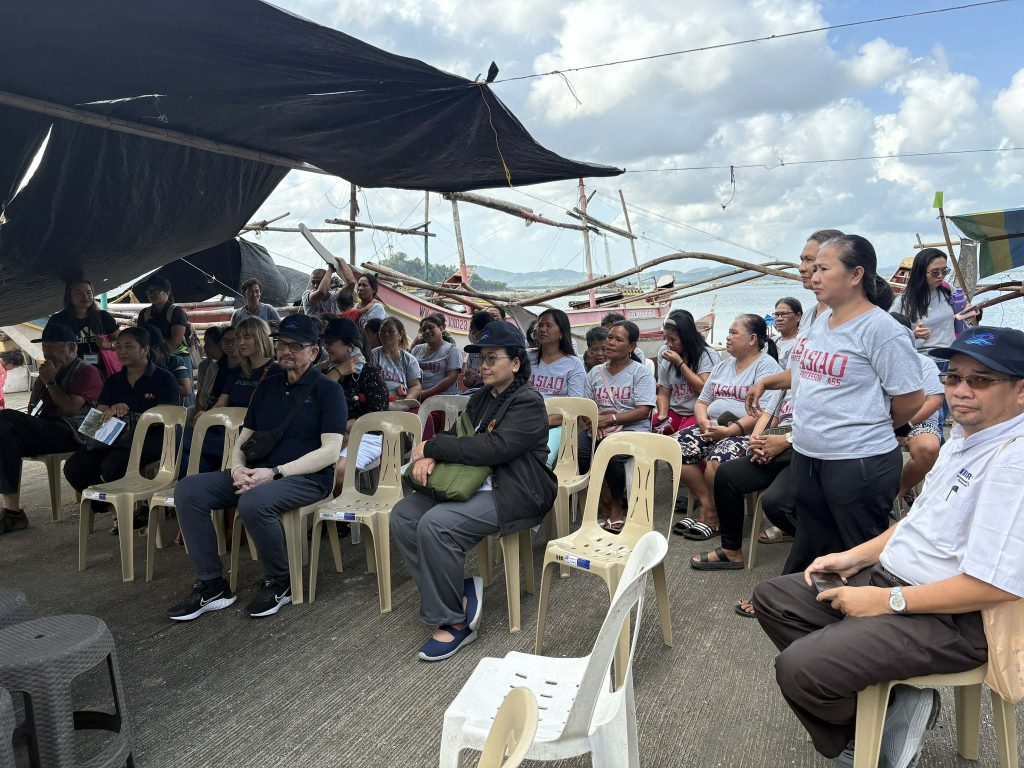
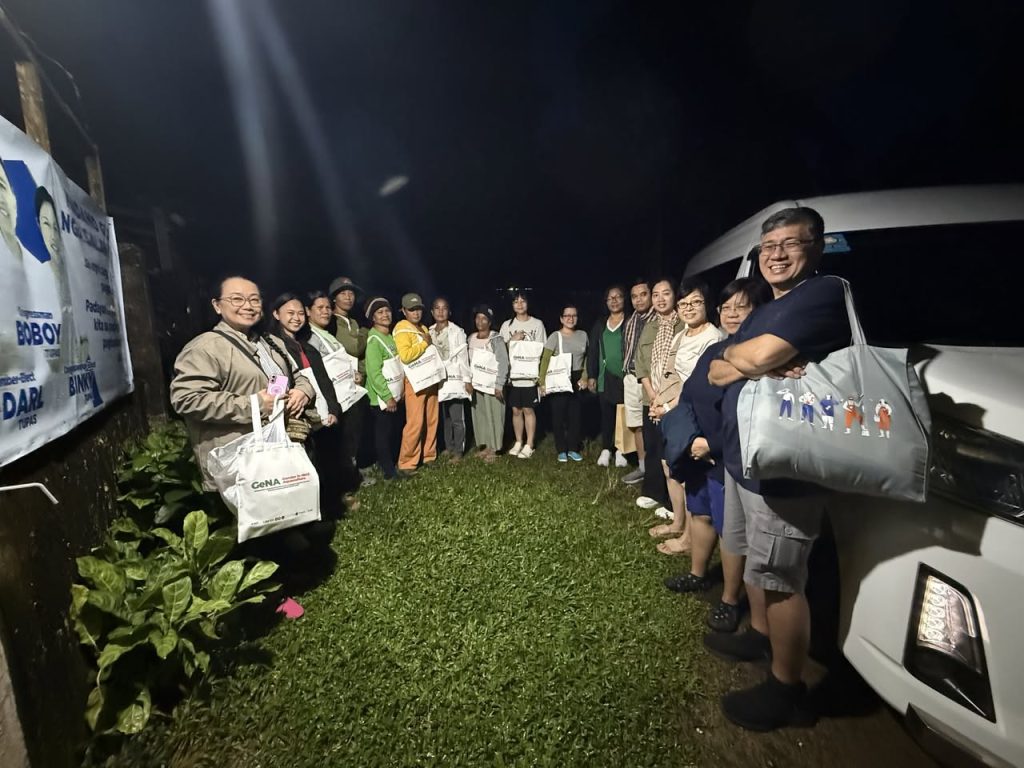
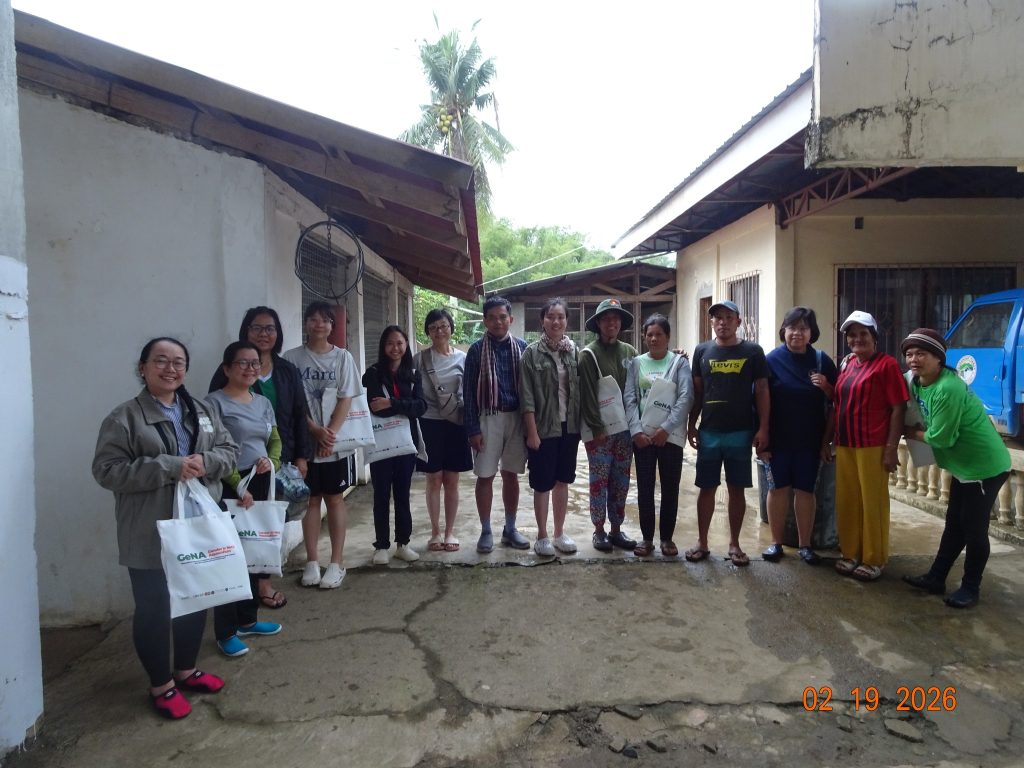
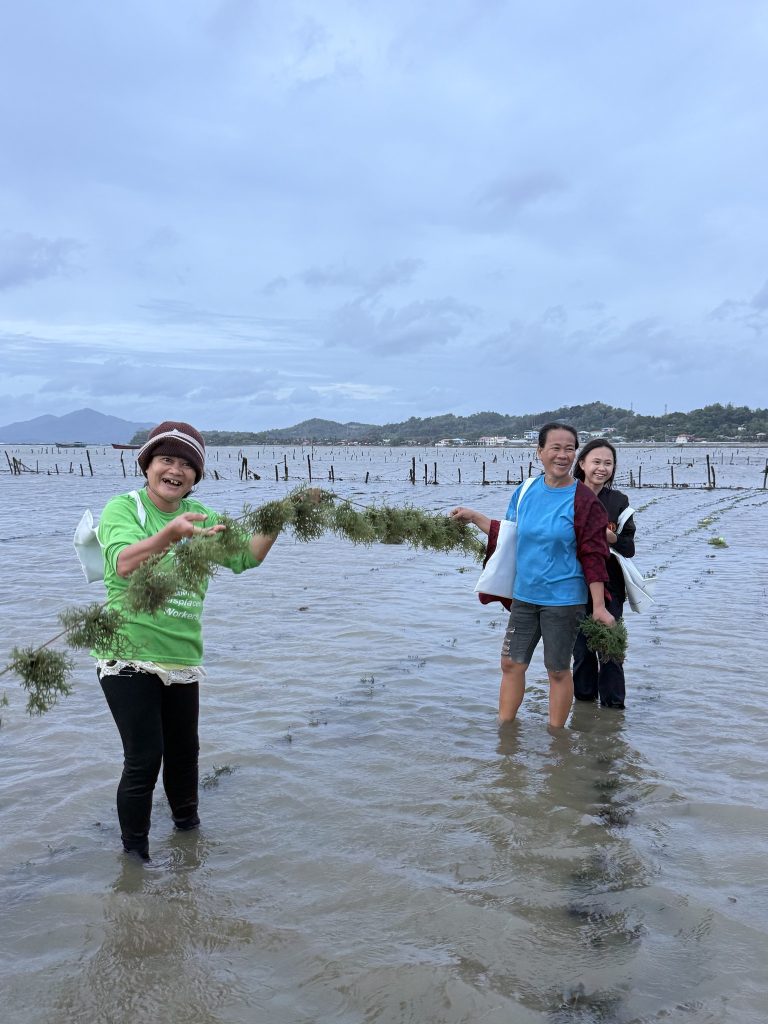
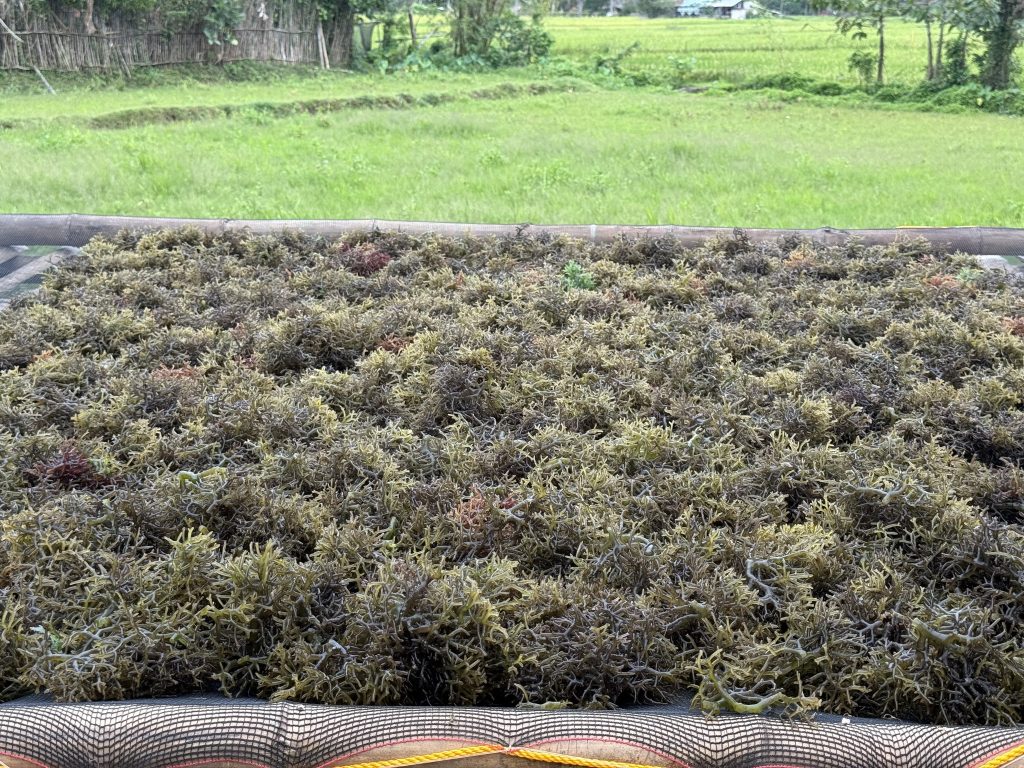
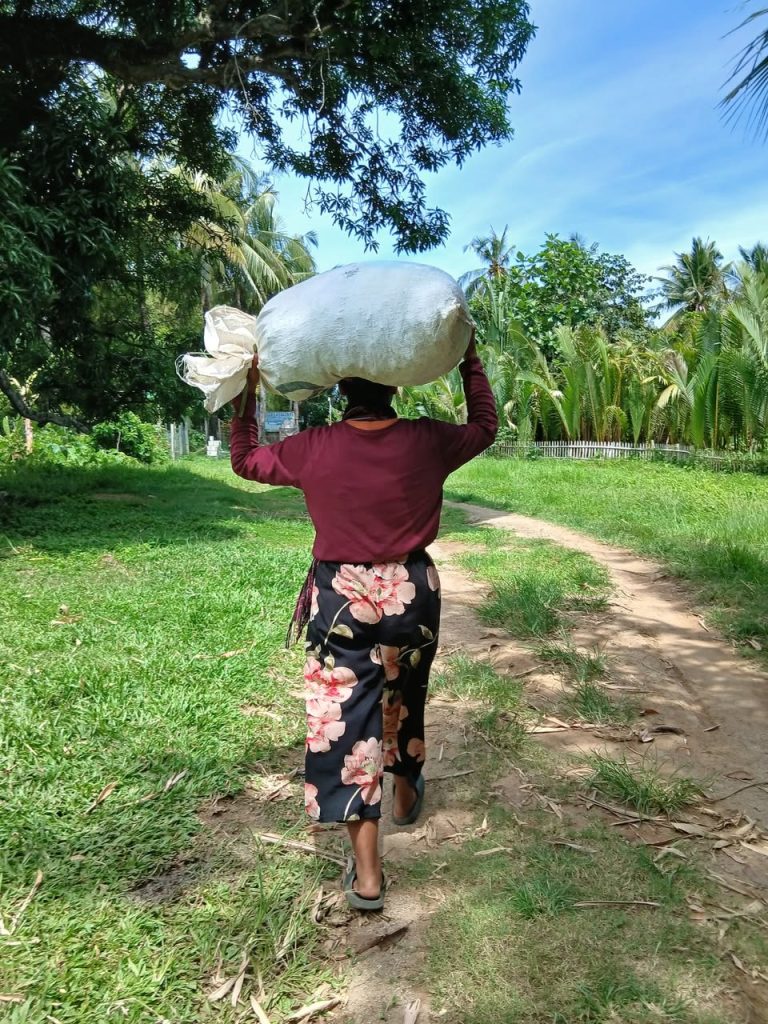
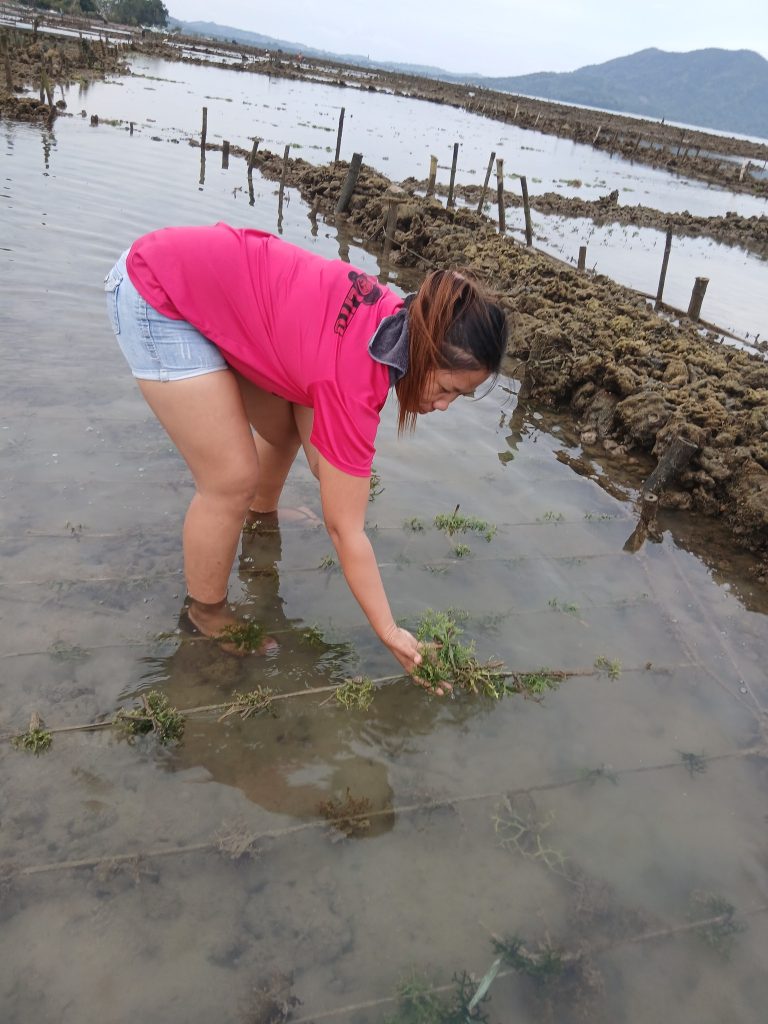
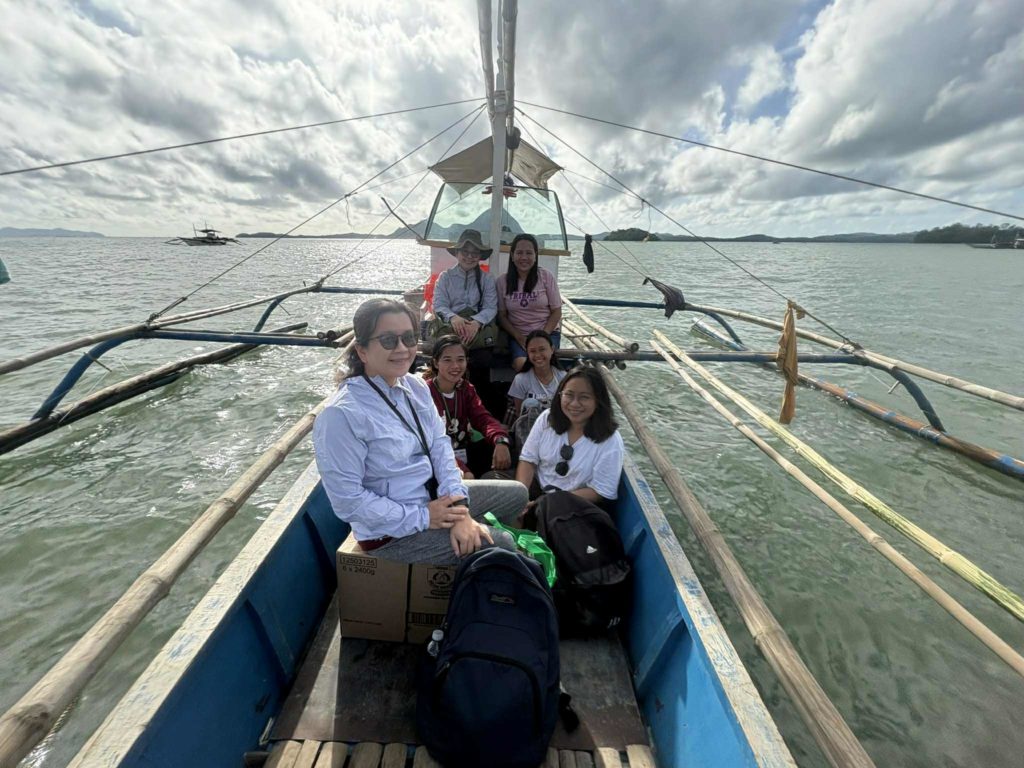
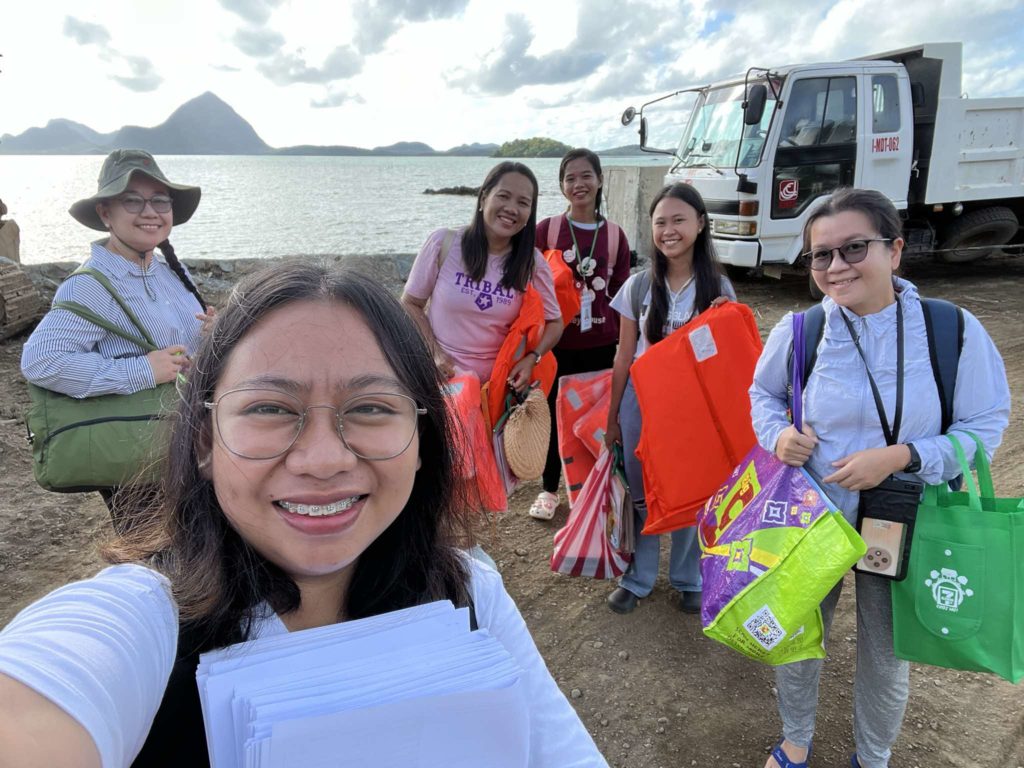
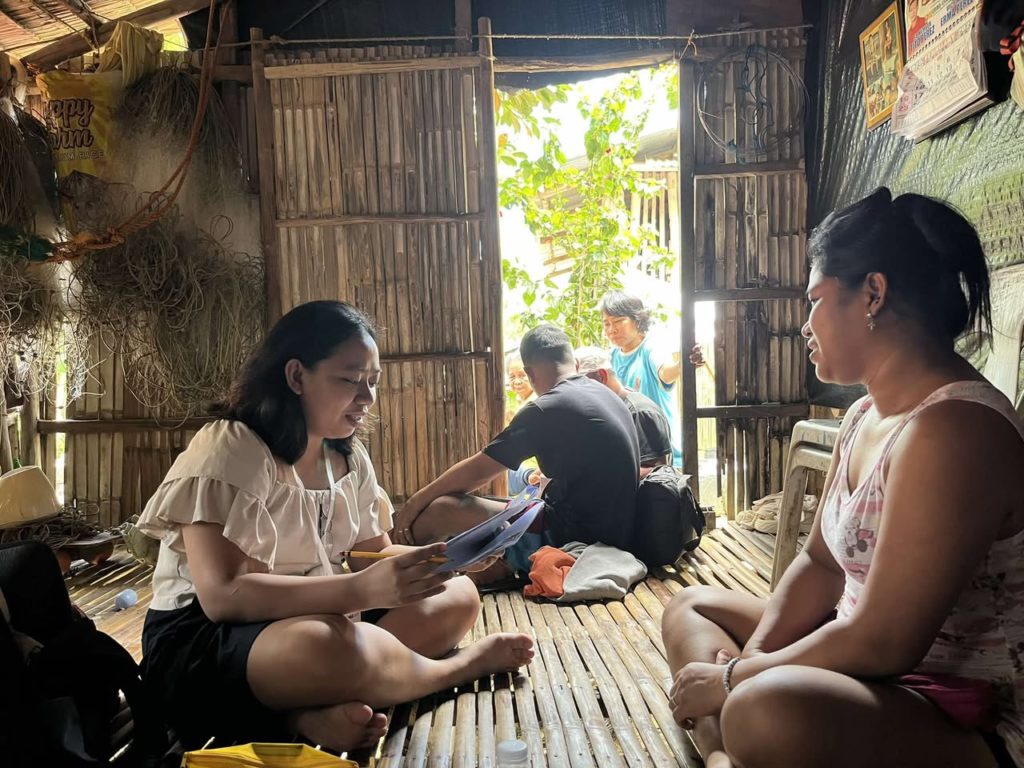
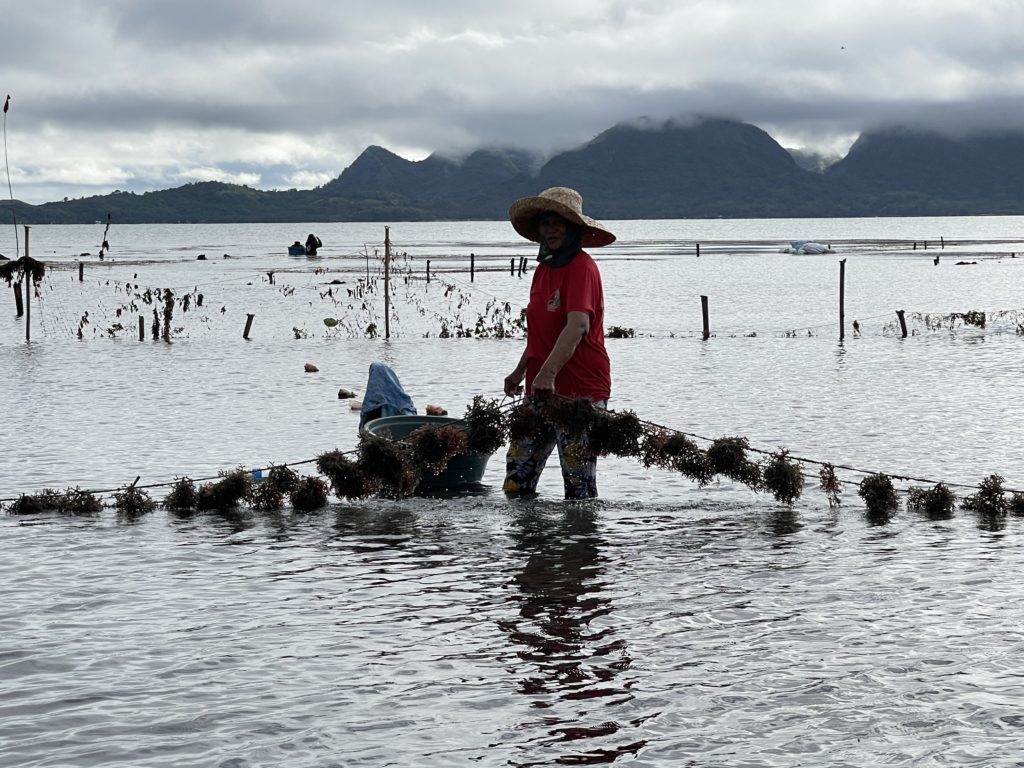
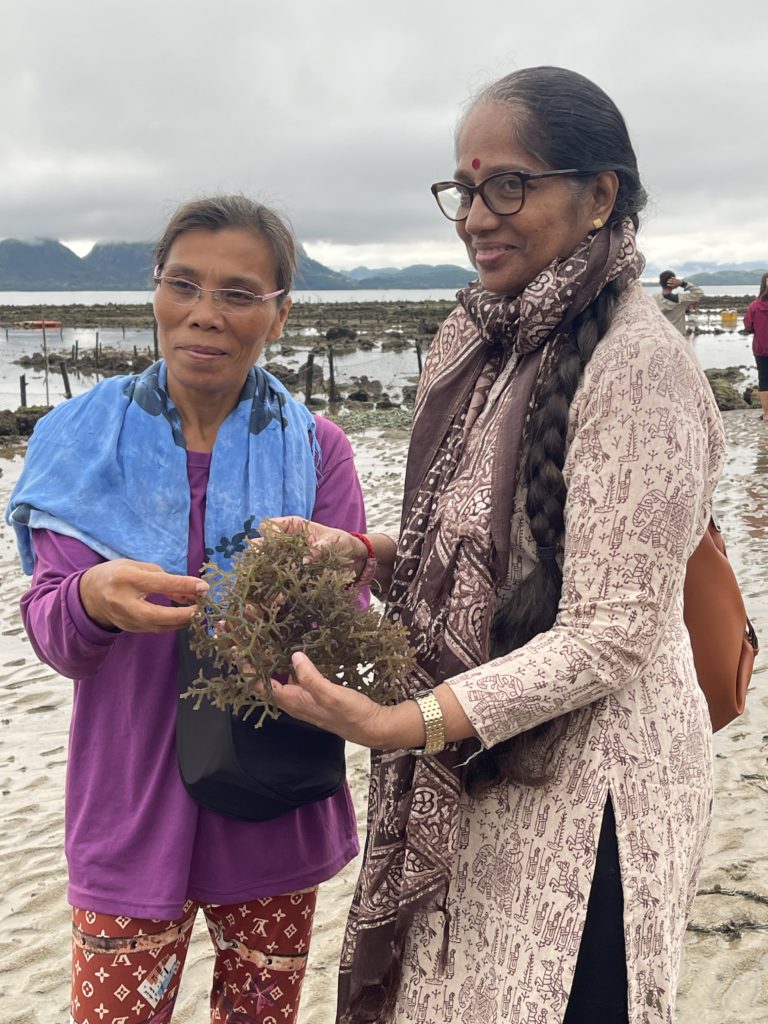
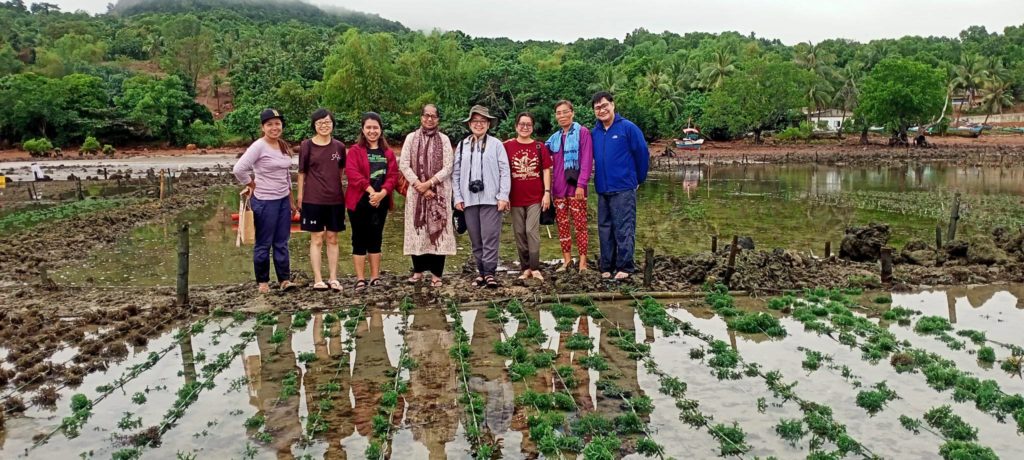
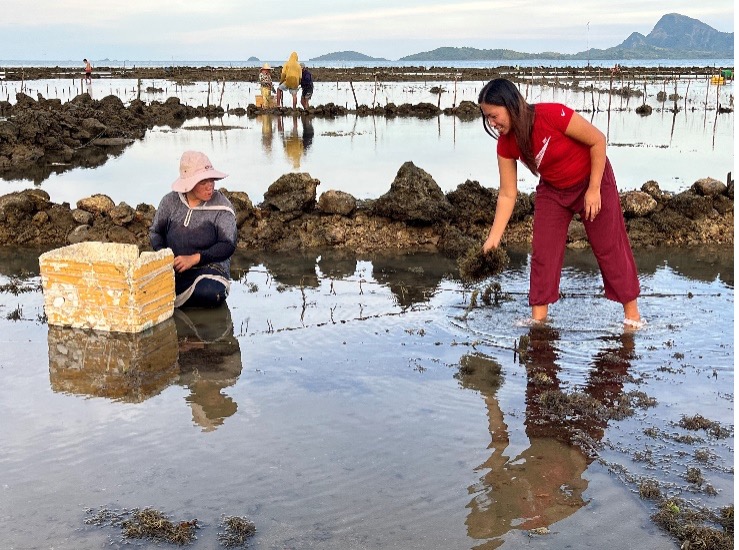
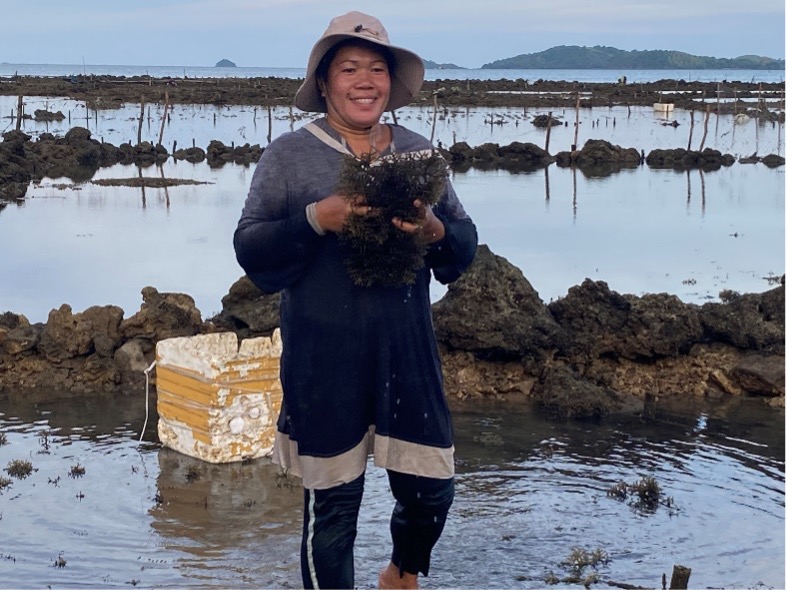
On 19 February, Day 3 of the GeNA Workshop in Iloilo, Philippines. The GeNA team visited the fields to learn and exchange information with women seaweed farmers across three sites in the Municipality of San Dionisio: Tiabas Proper, Sitio Buray, and Sua. Reflections shared by women was how seaweed farming provides women with livelihood opportunities and income without needing to migrate for work.
Seaweed farming is not an easy task. It requires careful observation and constant care, as seaweed is highly sensitive to environmental changes. Even small variations — such as changes in water temperature, salinity, currents, weather conditions, or water quality — can significantly affect growth and survival. The team was particularly inspired by the women’s daily routines, waking before dawn to travel/walk to the seaweed farms to plant, monitor, and check the condition of their crops.

Day 2 of the GeNA Team Workshop

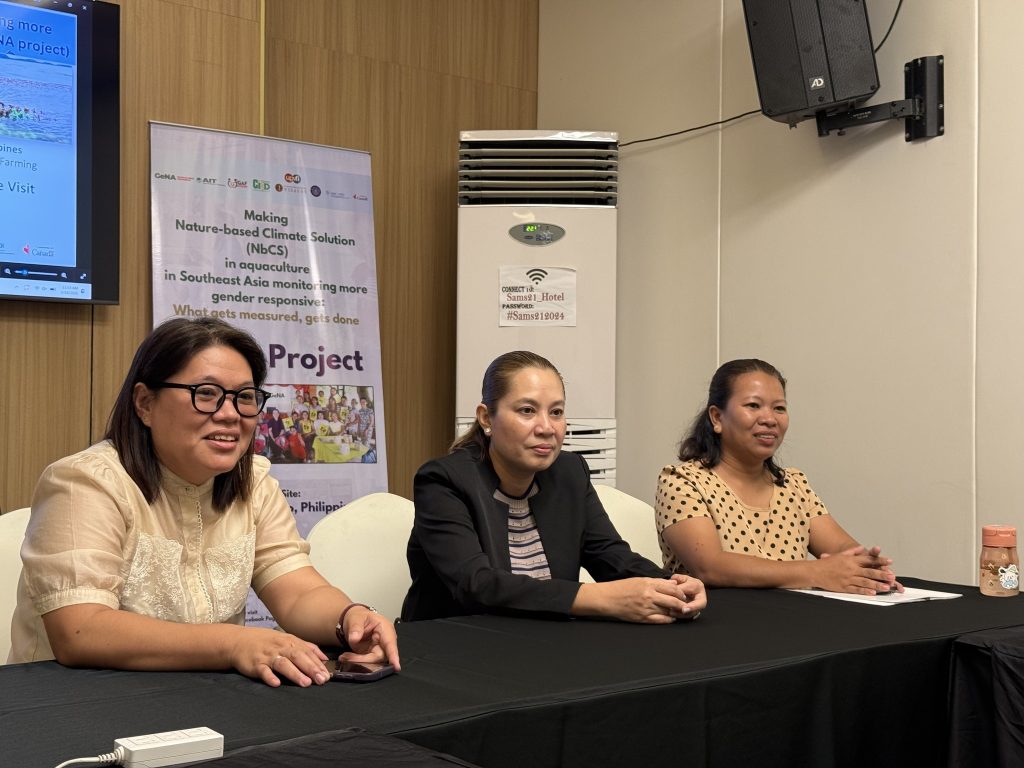
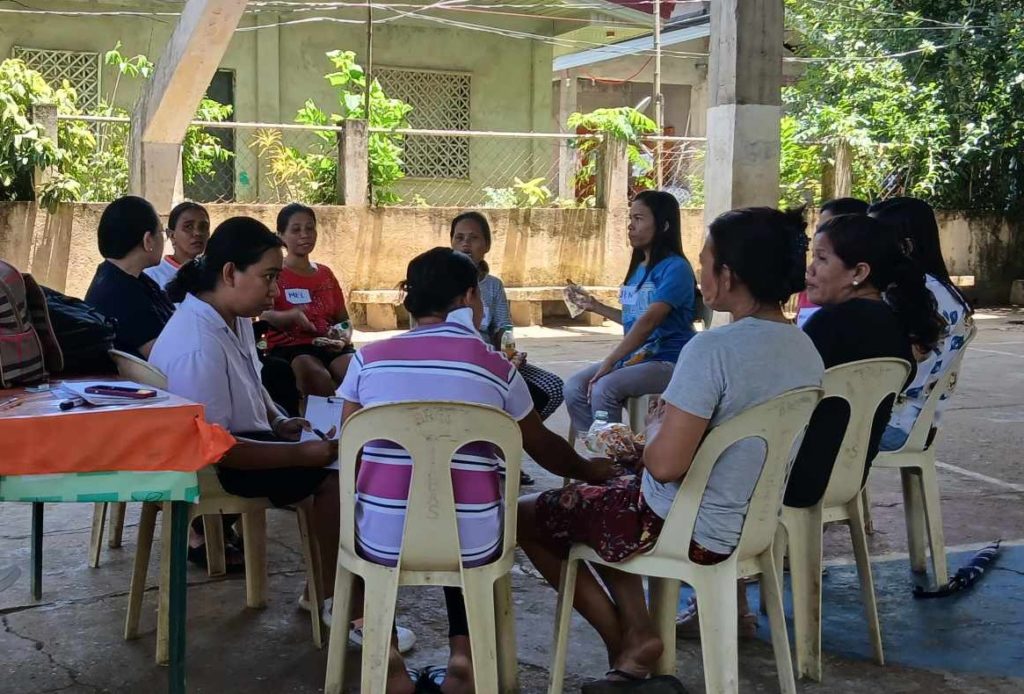
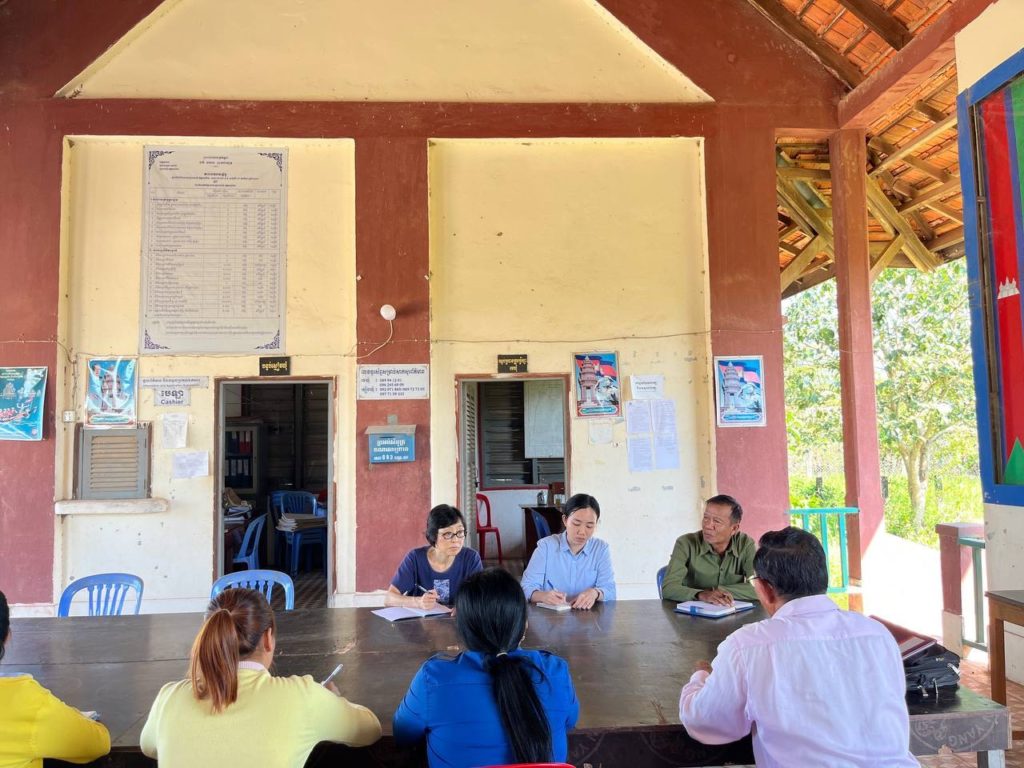
On 18 February, Day 2 of the GeNA Workshop in Iloilo, Philippines focused on the critical review and refinement of the gender monitoring schema. The day centered on listening to the experiences and feedback of pilot-country monitors from Thailand, the Philippines, and Cambodia. Drawing from their practical use of the schema in diverse aquaculture contexts, the team reflected on how the schema was applied in practice — what worked well, what proved challenging, and where limitations or confusion emerged during implementation. Through discussion, the GeNA team engaged in a systematic review process to refine the framework, aiming to make the Gender Monitoring Schema clearer, more coherent, and more responsive to local realities and monitoring needs.
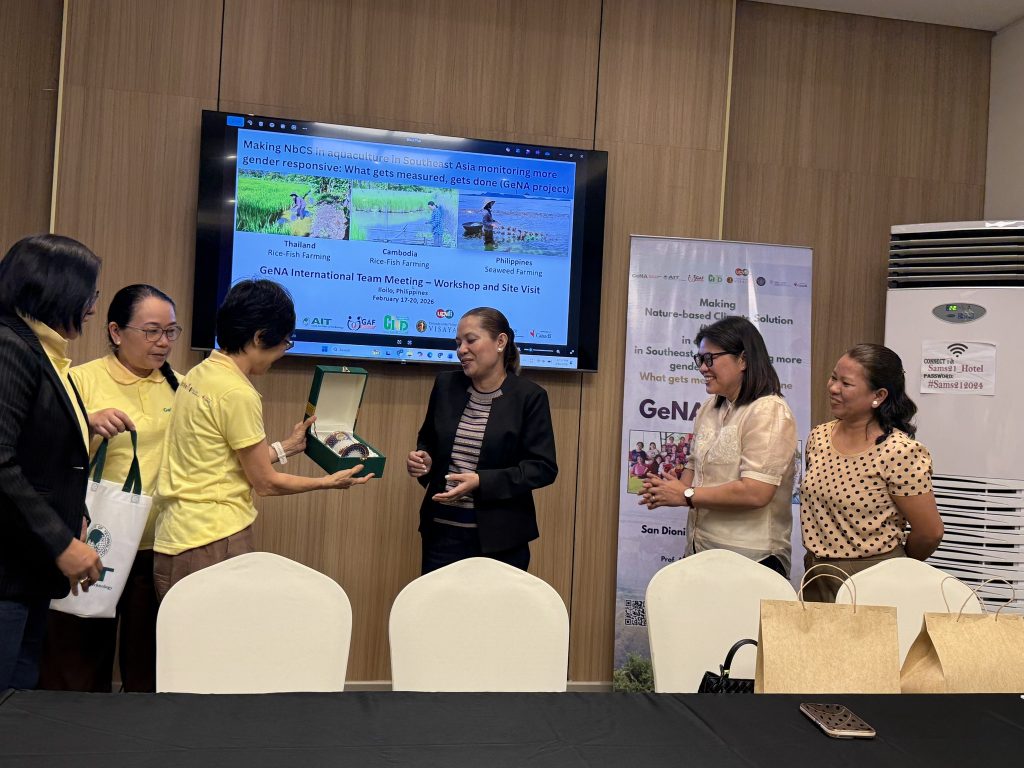
A key highlight of the day was the dialogue with Sally Lopez, Mayor of San Dionisio, as part of the team’s courtesy call prior to conducting site visits in the coastal communities of Barangay Tiabas and Barangay Sua.
 

Start of the GeNA Team Workshop in Iloilo, Philippines

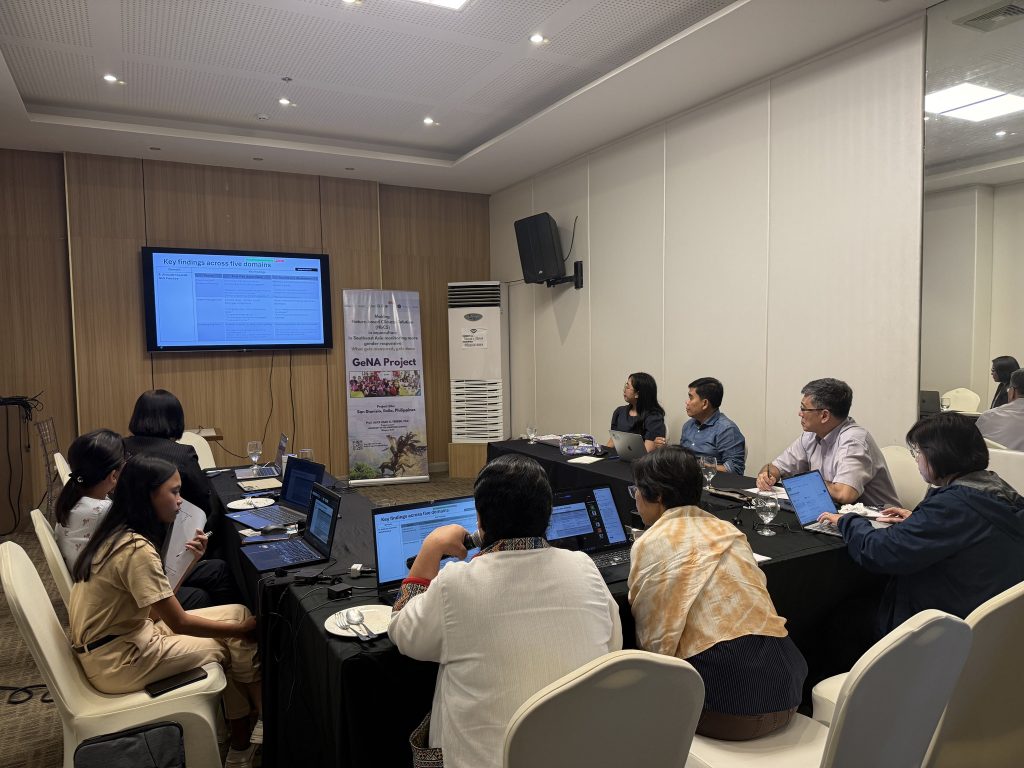
On 17 February 2026, the GeNA Team formally commenced its four-day workshop in Iloilo, Philippines.
The first day was dedicated to the presentations and critical discussion of findings from the application of the gender monitoring schema across three pilot countries: Thailand, the Philippines, and Cambodia. The sessions provided a space not only to share results within the diverse local contexts and NbS aquaculture activities which the schema was applied, but also to collectively reflect on implementation challenges, emerging lessons, and the broader implications for scaling and strengthening the use of the Gender Monitoring Schema.

Team Philippines started Round 1 of Monitoring

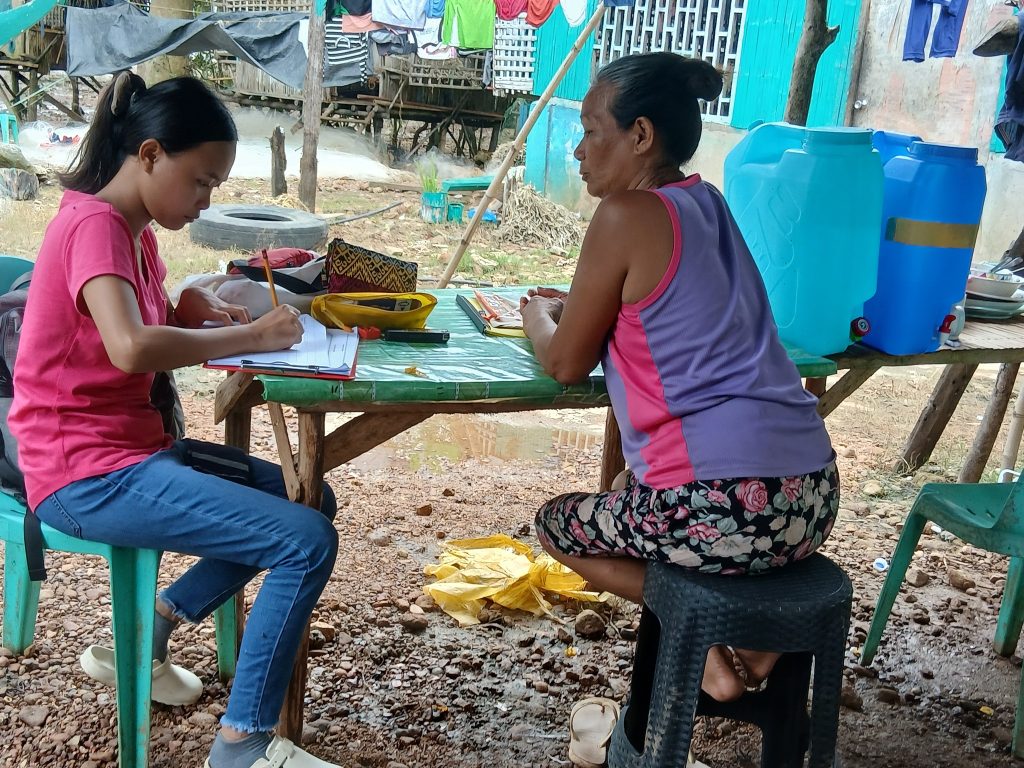
Team GeNA in the Philippines started its monitoring phase in September 2025 involving 35 women seaweed farmers across three barangays in the Municipality of San Dionisio, which include Tiabas, Sua, and Naborot. The monitoring uses the schema constructed by the GeNA Research Team involving five domains of climate change, attitudes toward NbS practices, awareness, image of change, and agency.
In September 2025, all domains (Round 1) were covered during the two visits to the 35 women seaweed farmers. The second round started in October 2025, with the monthly monitoring visit covering one domain. The monitoring will end in July 2026 or after three rounds.
During the visit, the GeNA monitor also checked and collected information from the journals of the seaweed farmers. Recently, photovoice was introduced, allowing farmers to document their farming practices or activities through photographs and accompanying narratives, thereby strengthening the quality of data collected. This monitoring process enables the team to track changes in the farmers’ activities and their seaweed production over time.
The Team GeNA Philippines is being led by Dr. Alice Joan Ferrer, together with Ms. Jinky Hopanda and Ms. Irish Ain Abordo of the University of the Philippines Visayas and UPVFI.

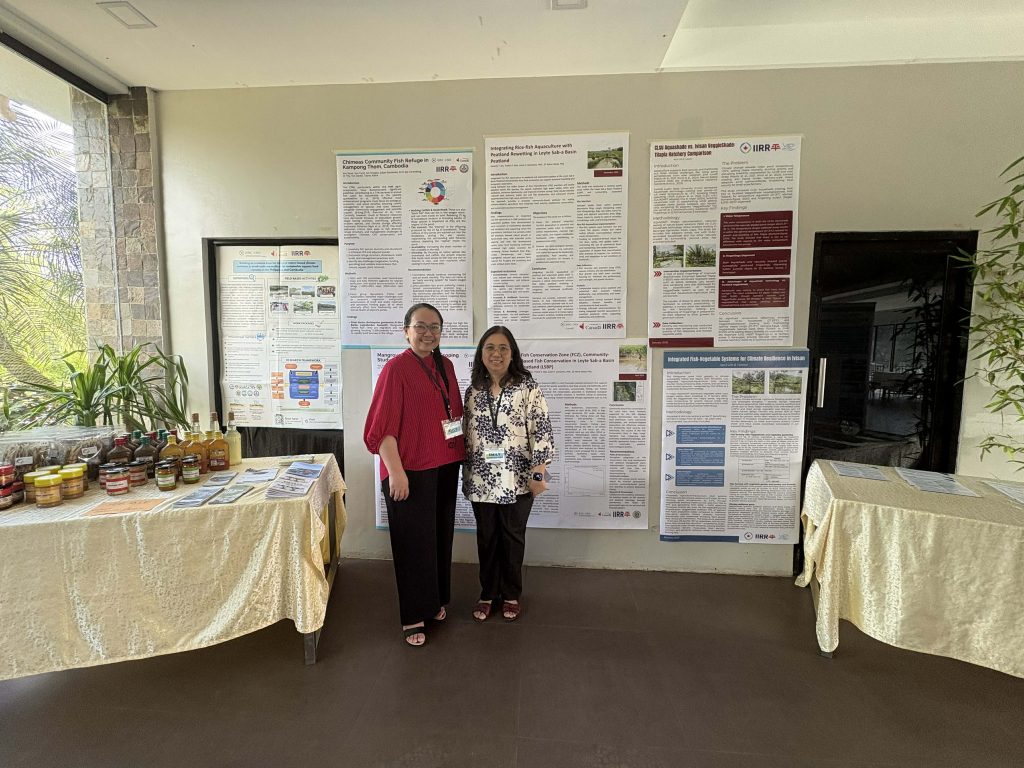
GeNA Team presents on the GAF9 Conference

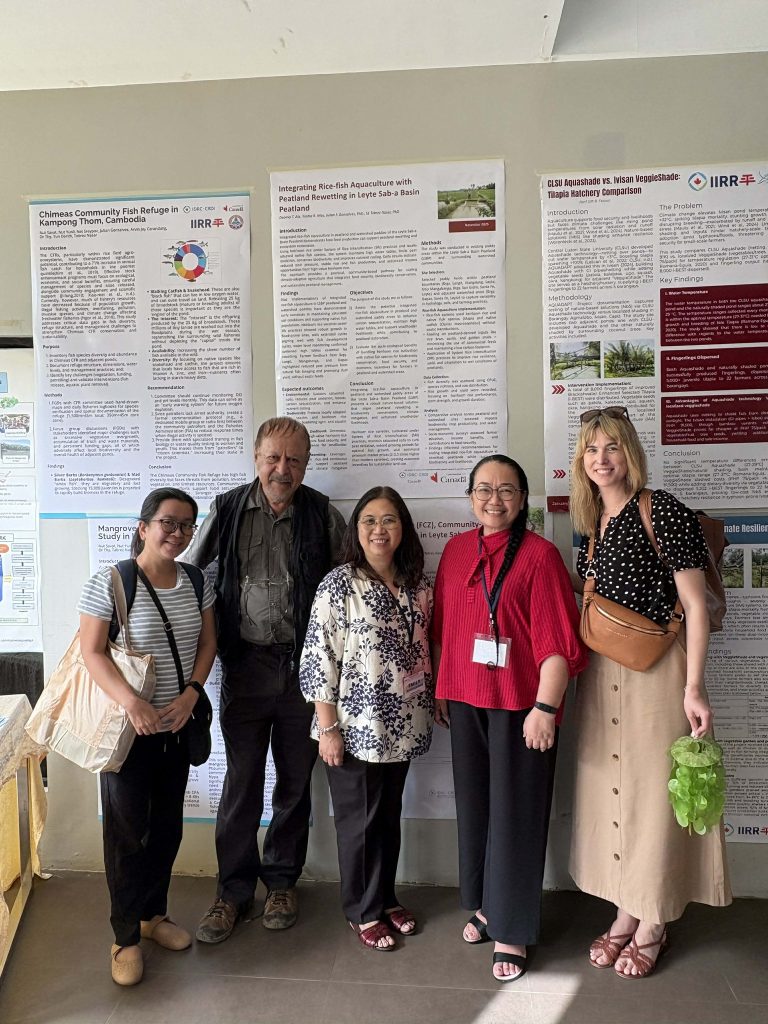
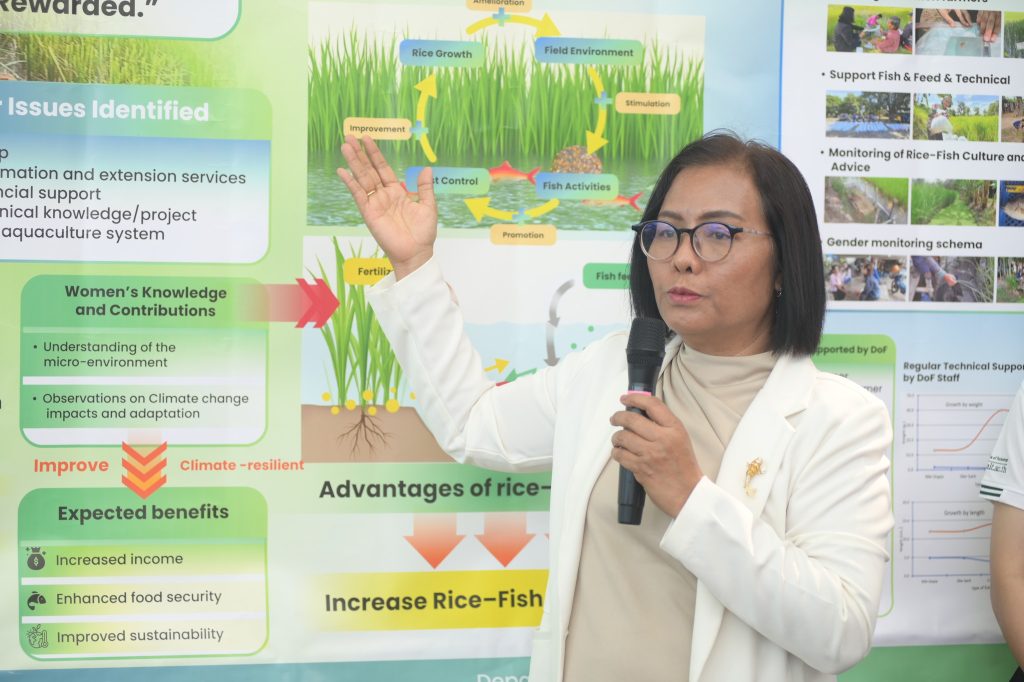
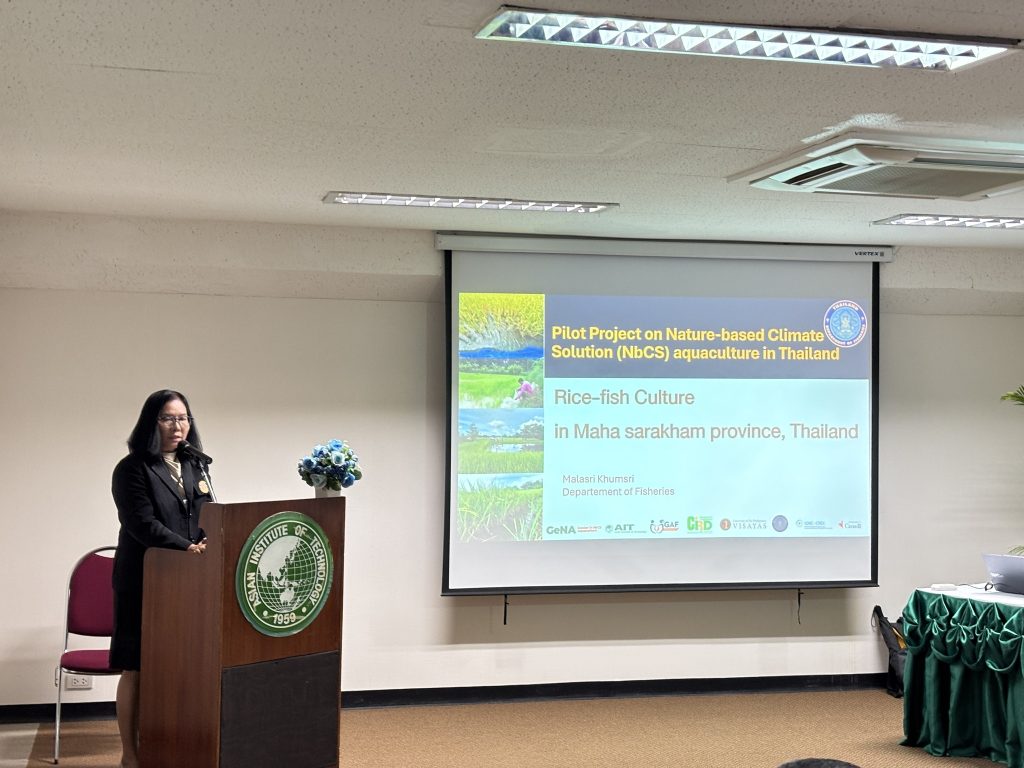
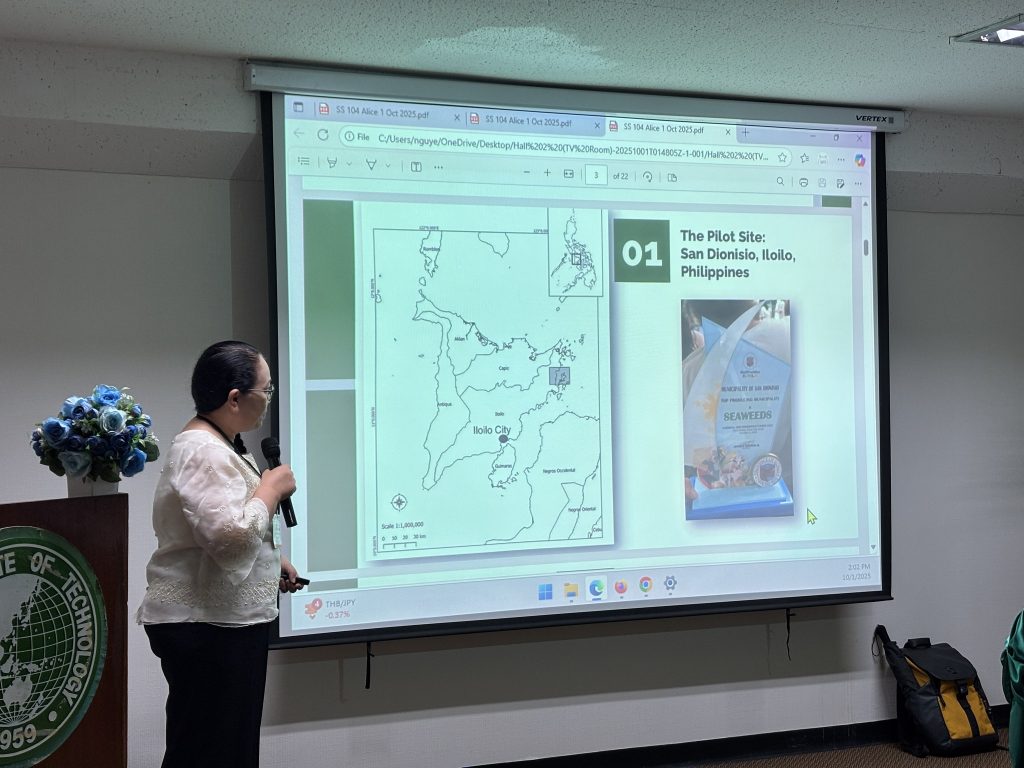
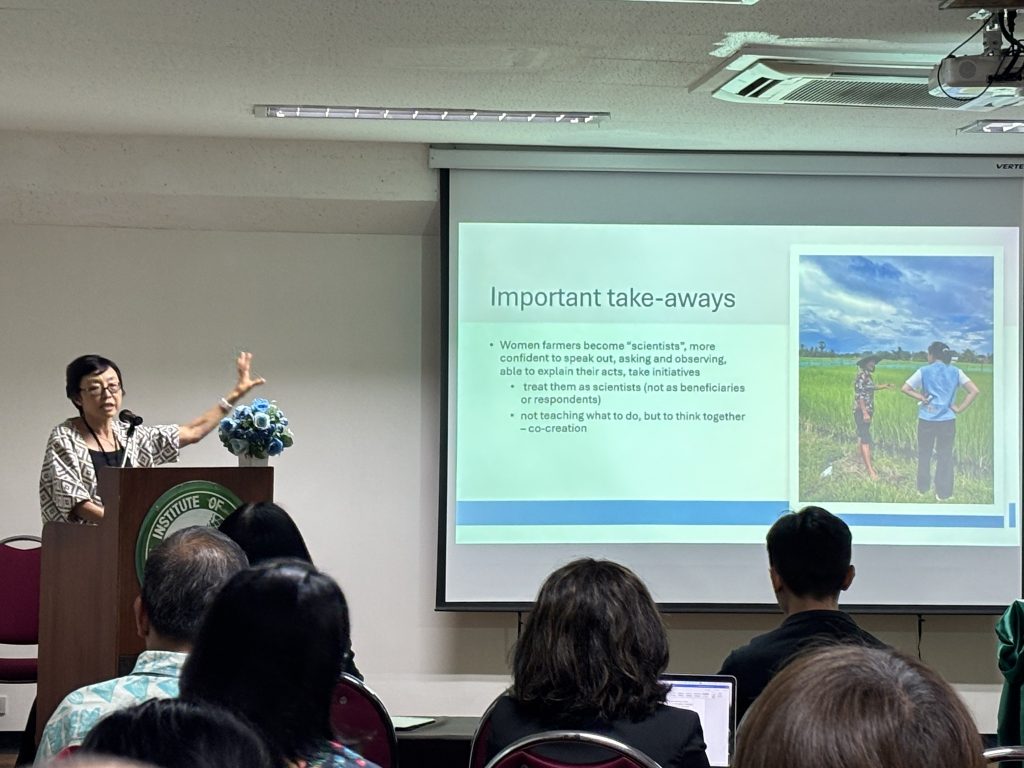
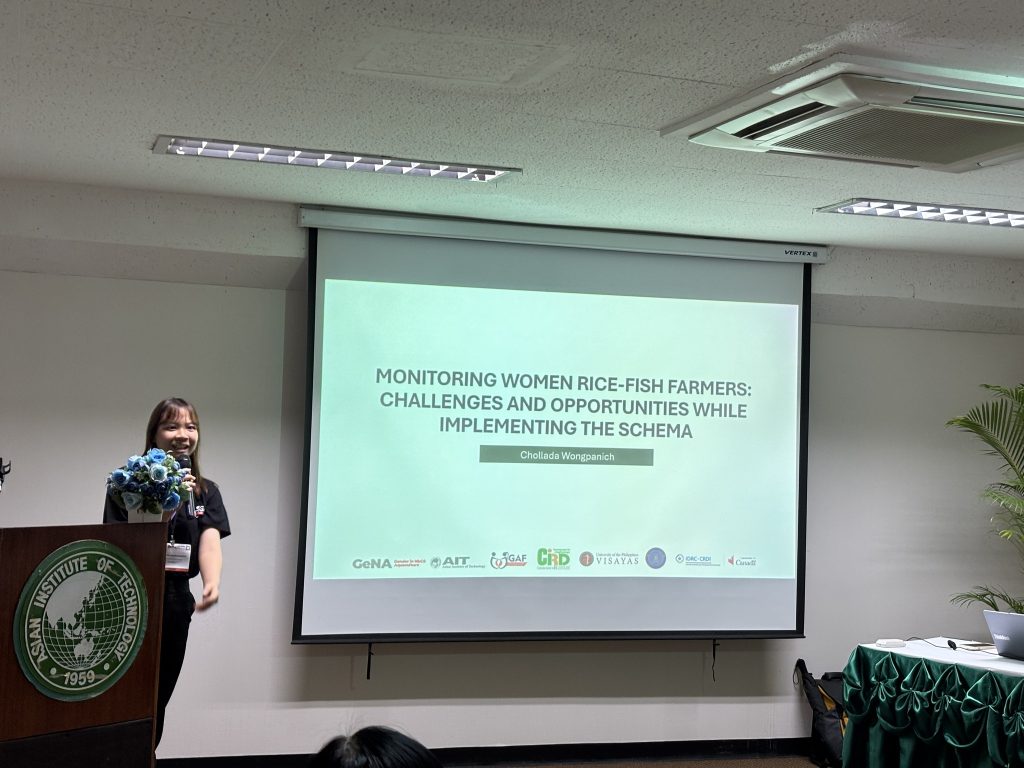
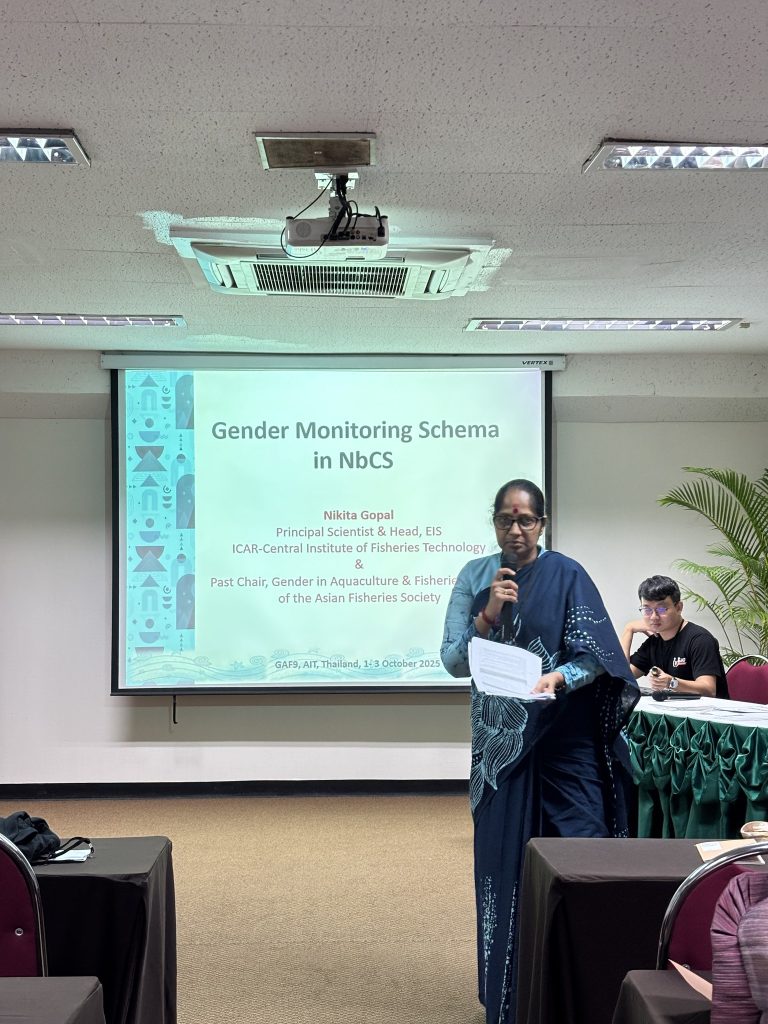
On October 1, 2025, members of the GeNA Project—Prof. Kyoko Kusakabe, Dr. Nikita Gopal, Dr. Malasri Khumsri, Dr. Alice Ferrer, Ouly Thorng and Chollada Wongpanich—presented how the Gender Monitoring Schema in Nature-Based Climate Solutions (NbCS) advances inclusion and equity through diverse case studies at the 9th Global Conference on Gender in Aquaculture and Fisheries, held at the Asian Institute of Technology, Thailand.
The session showcased applications of the schema across rice-fish and seaweed farming systems in Thailand, Cambodia, and the Philippines, highlighting how gender-responsive monitoring can make women’s roles, knowledge, and contributions visible. Presenters emphasized that access to technical training and new technologies strengthened women’s skills, confidence, and agency, while participatory monitoring created supportive spaces, improved communication with families and researchers, and fostered more equitable household and production dynamics. Central to the discussion was the principle of co-creation of knowledge, treating farmers as scientists and collaborators, demonstrating how gender-transformative approaches in NbCS can lead to more inclusive, effective, and sustainable aquaculture and fisheries initiatives.

𝗠𝗼𝗻𝗶𝘁𝗼𝗿𝗶𝗻𝗴 "𝗵𝗼𝘄" 𝘄𝗼𝗺𝗲𝗻 𝗯𝗲𝗰𝗼𝗺𝗲 𝗲𝗺𝗽𝗼𝘄𝗲𝗿𝗲𝗱

Women have always been key players in aquaculture, but they are not seen, recognized, and valued as much as men are. Therefore, scientists and technologists who are keen to bring innovation and technical improvements to aquaculture also tend to ignore women, women’s knowledge and contributions.
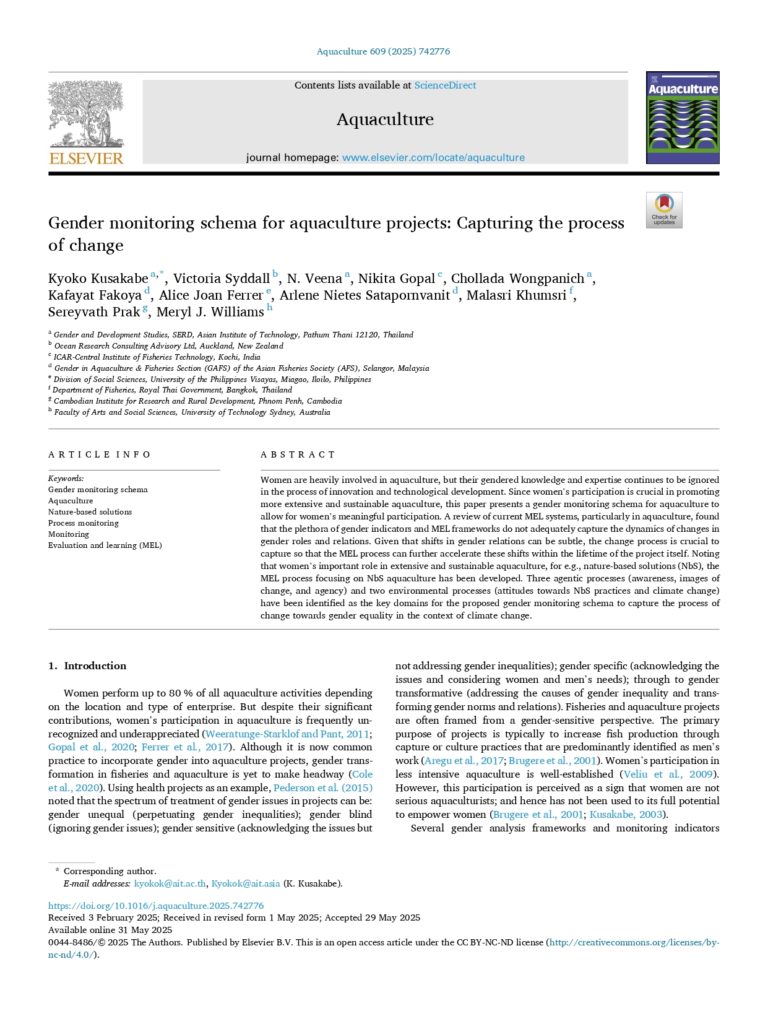
Doing a deep dive into monitoring, evaluation and learning frameworks, we found a significant gap: these frameworks fail to capture the “how” of changes in gender roles and relationships over time. These shifts are often subtle but crucial, especially when working toward gender equality and climate resilience. Therefore, we have developed the gender monitoring schema, a process monitoring tool which reflexively monitors “how” gender roles in NbCS aquaculture are changing over five key domains. Keeping the context very much at the forefront of analysis, the schema leads towards the meaningful engagement of women (and potentially other marginalized groups), in turn leading to gender equality and empowerment of women. This is a path to understanding how gender transformative changes happen, so that projects can support and speed it up through the process of inclusive innovation. Let’s make space for gendered wisdom to shape the future of aquaculture.

Happy reading!

𝗙𝘂𝗹𝗹 𝗮𝗿𝘁𝗶𝗰𝗹𝗲: https://www.sciencedirect.com/…/pii/S0044848625006623

Piloting the Gender Monitoring Schema in Thailand

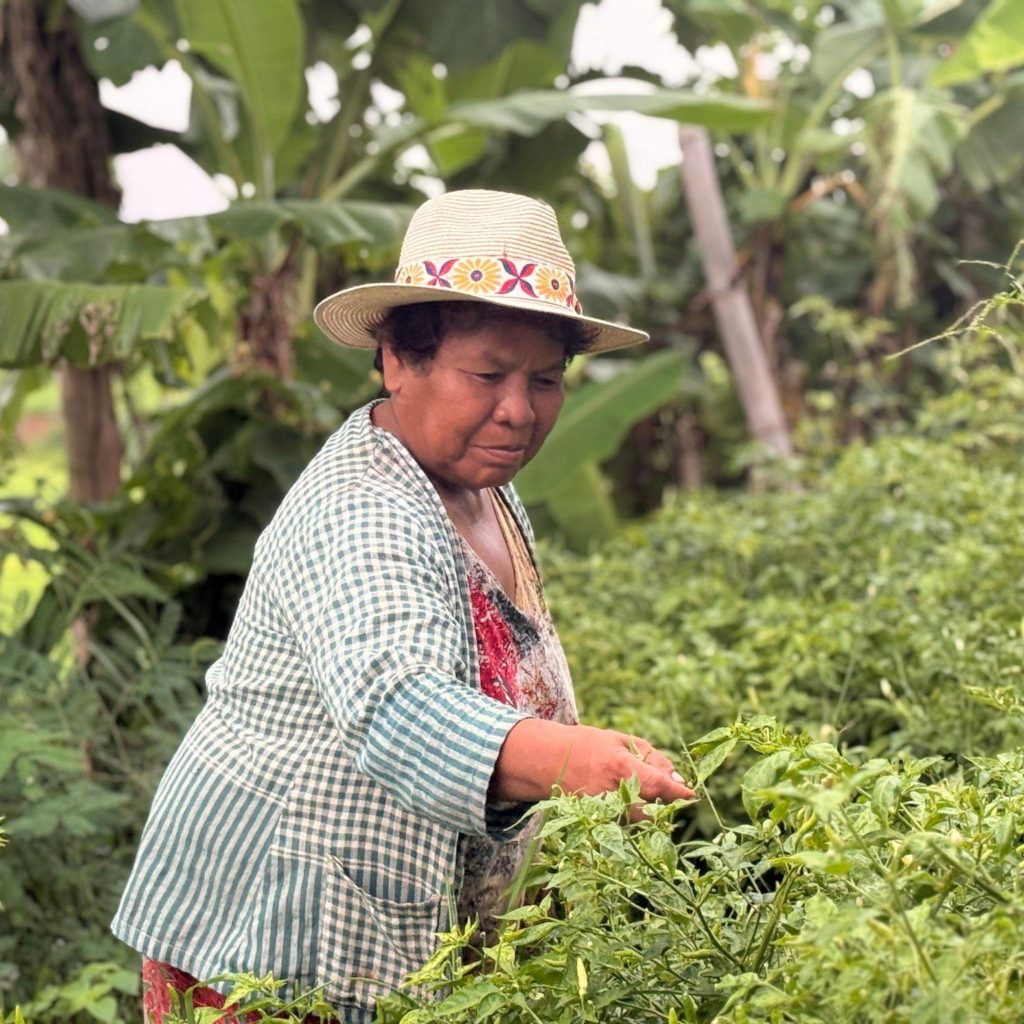
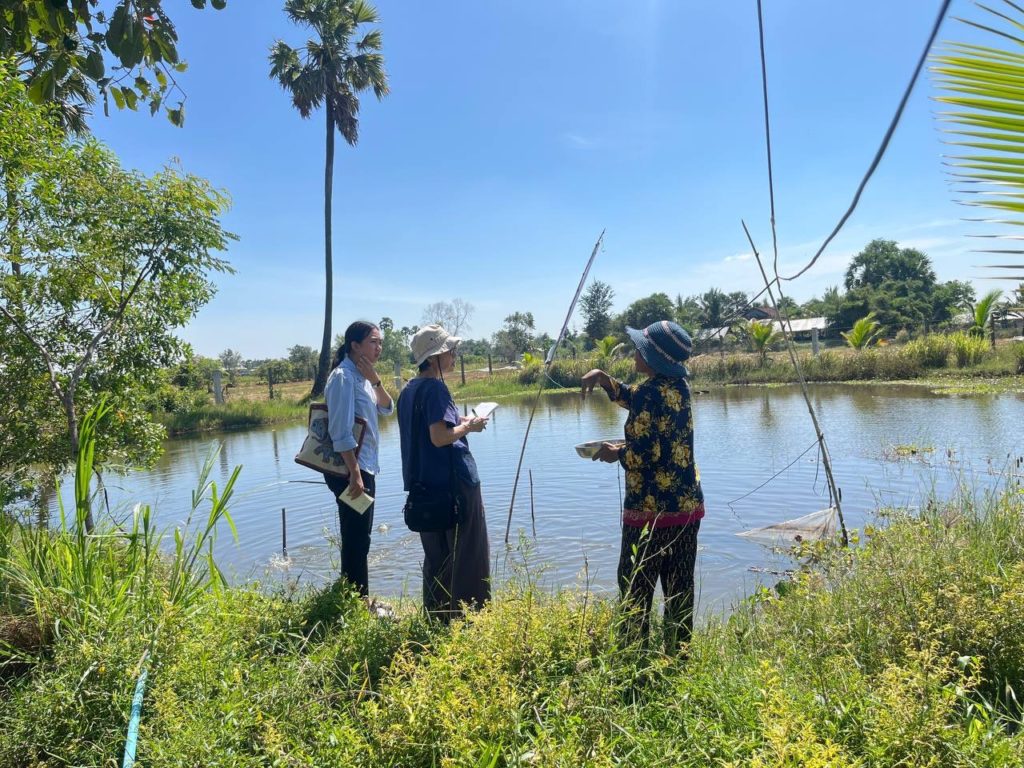
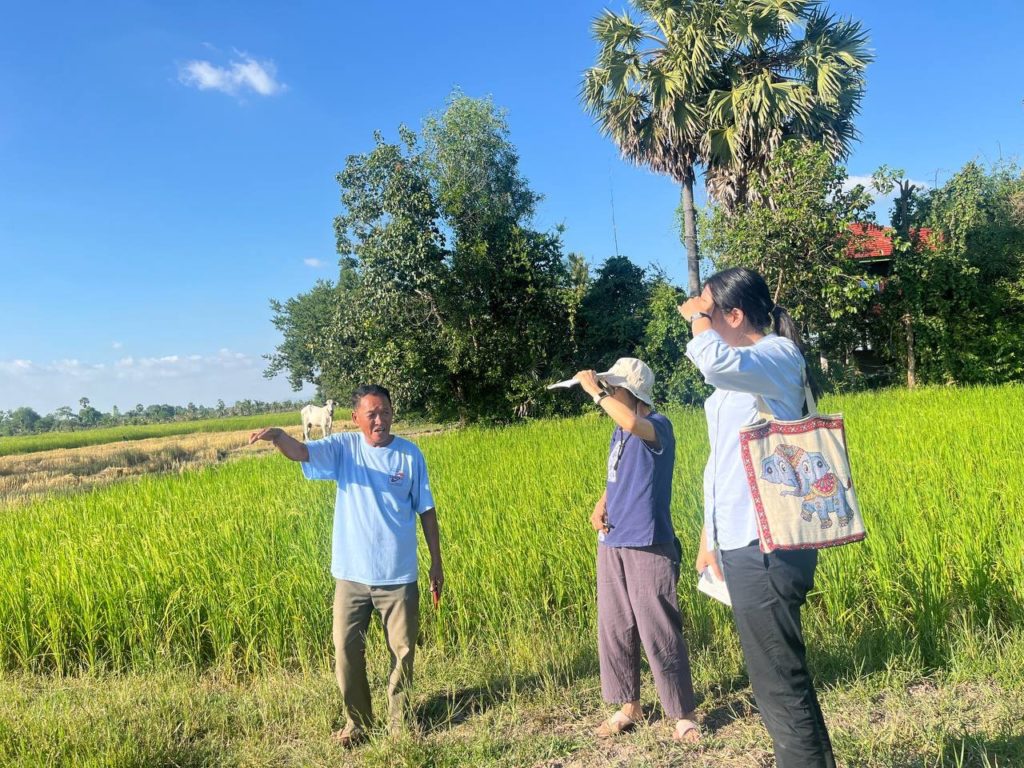
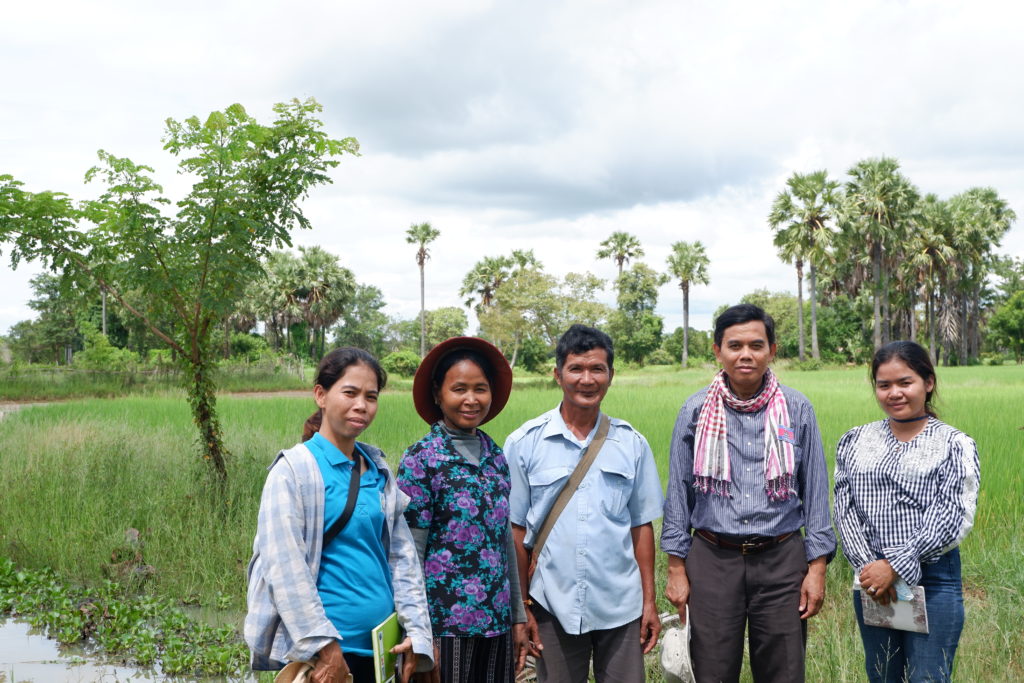
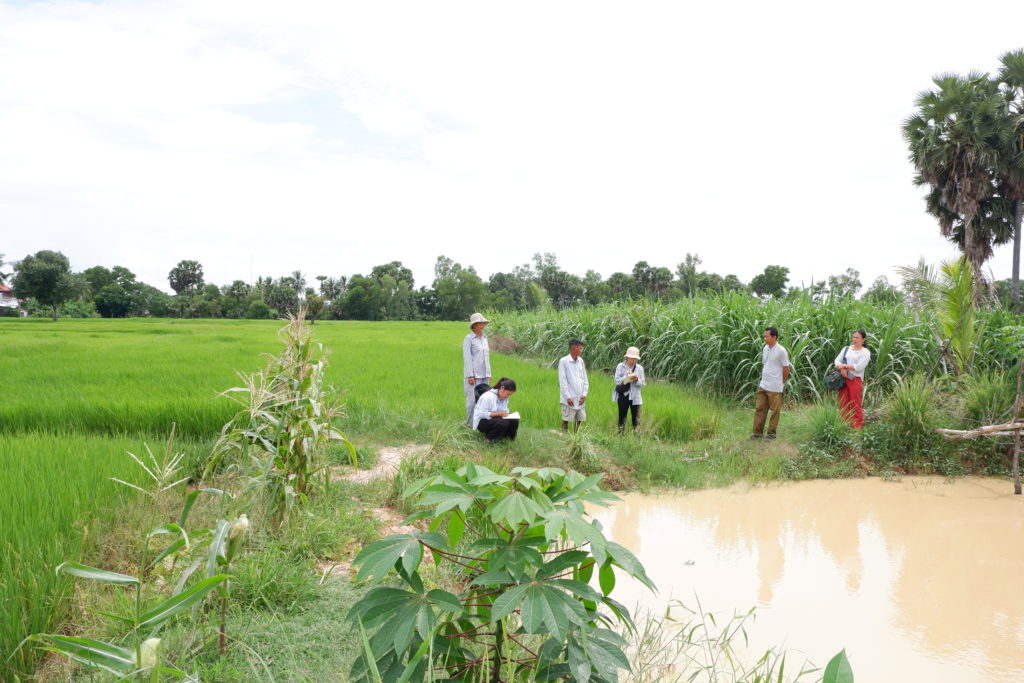
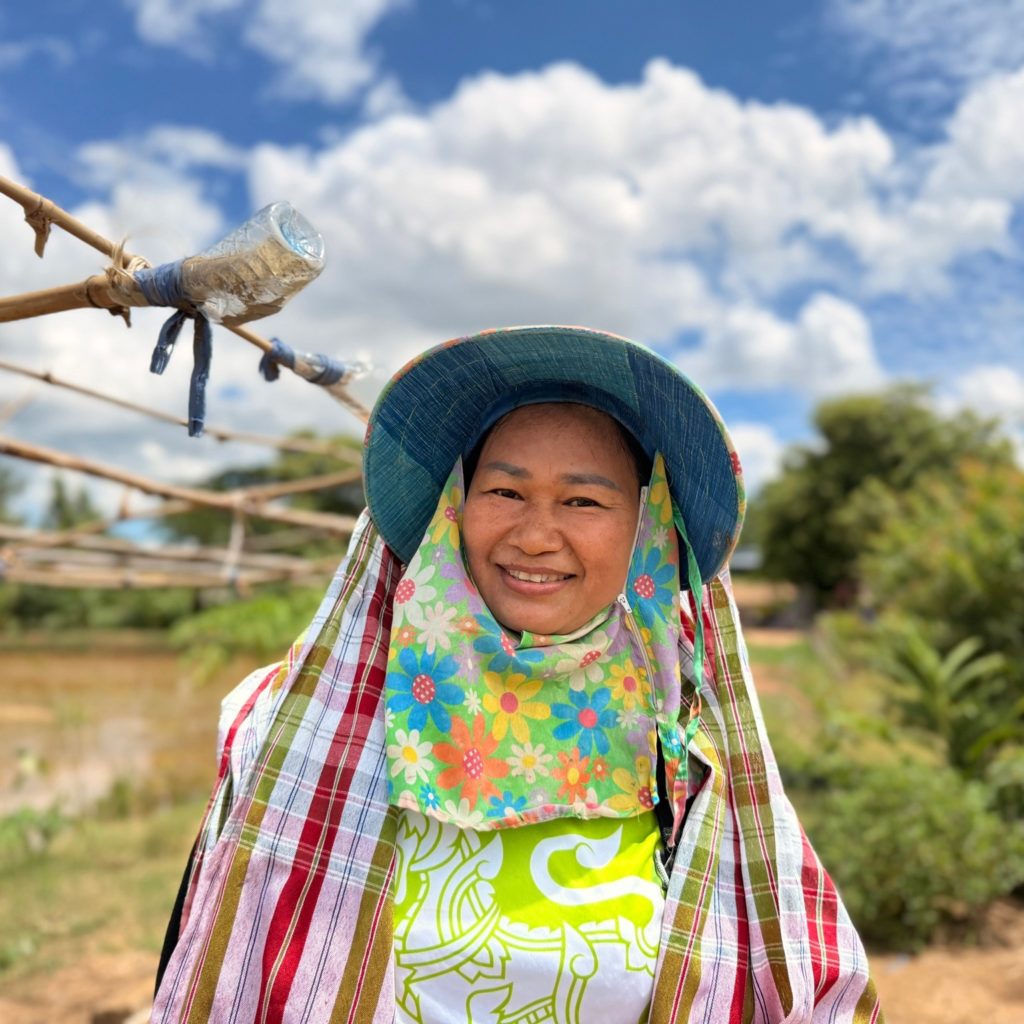
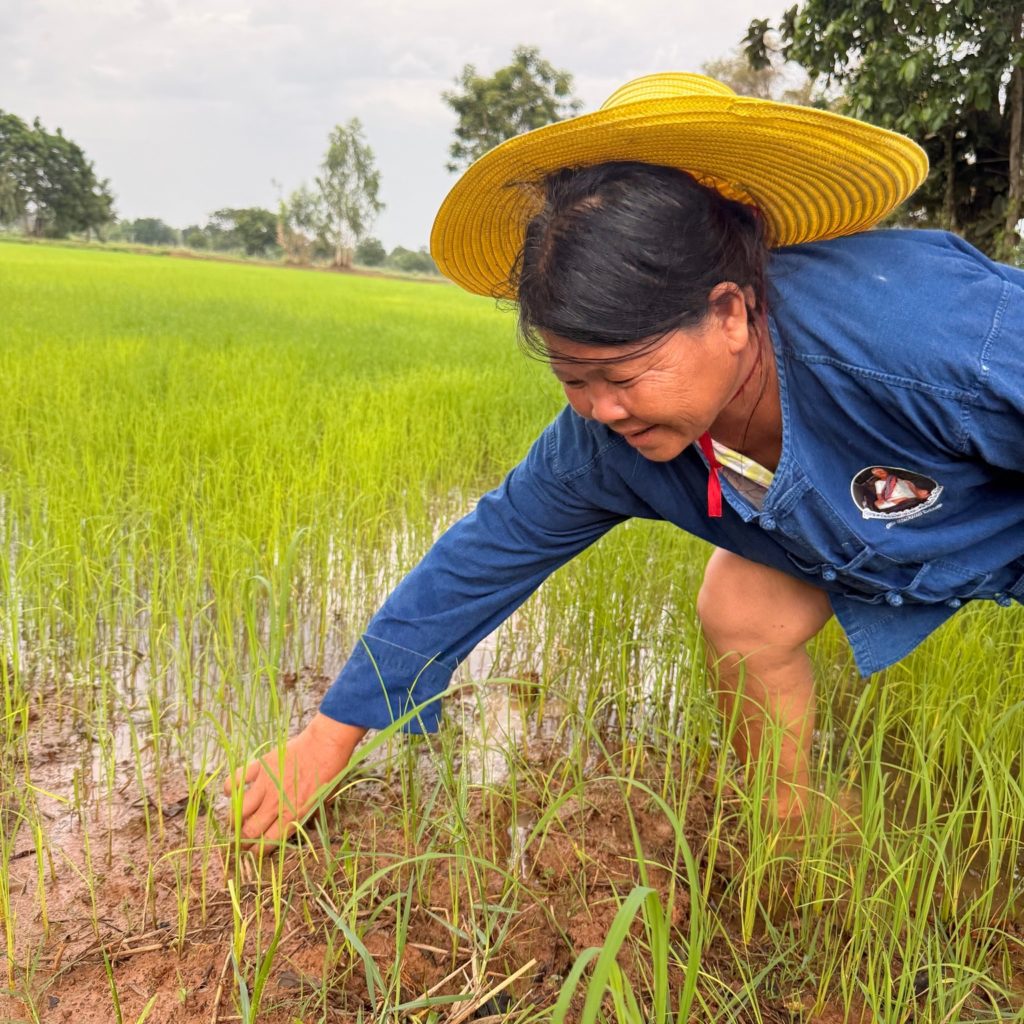
Thailand has begun piloting the gender monitoring schema at the rice–fish farming pilot sites! Our team is now testing the gender monitoring questions with women farmers in Phayakkhaphum Phisai and Kosum Phisai districts of Maha Sarakham province.
 
Farmers—especially those in areas with limited access to resources and no irrigation system—have to rely solely on rainfall. They’ve been adapting to cope with uncertainty, such as by digging ponds, planting fruit trees around their rice fields, growing vegetables, preserving food and stocking up rice for unpredictable times.
 
This year, the rains came earlier than last year, and therefore farmers have already begun planting their main-season rice. We are excited to see how the gender monitoring schema will lead to women’s meaningful engagement in developing innovations, implementing nature-based climate solutions and adopting new technologies.
 
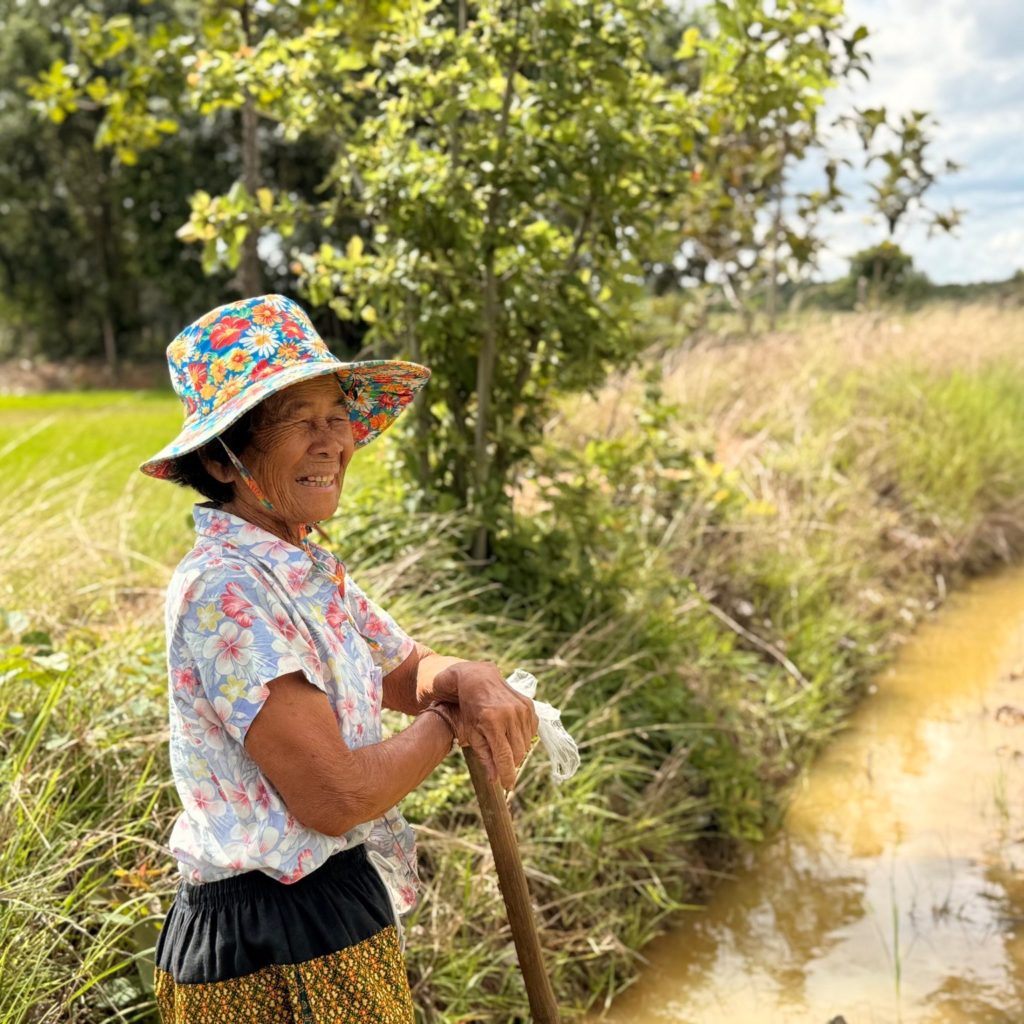
Here are some snapshots from our field visit including some of the women farmers participating in our project!

The GeNA Project in Cambodia

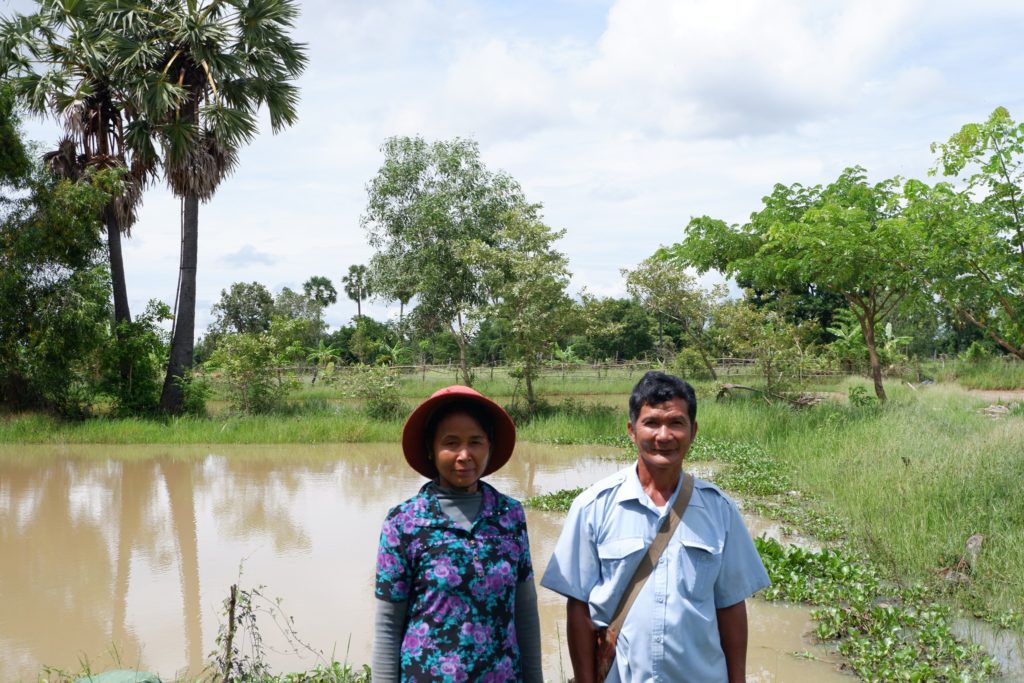
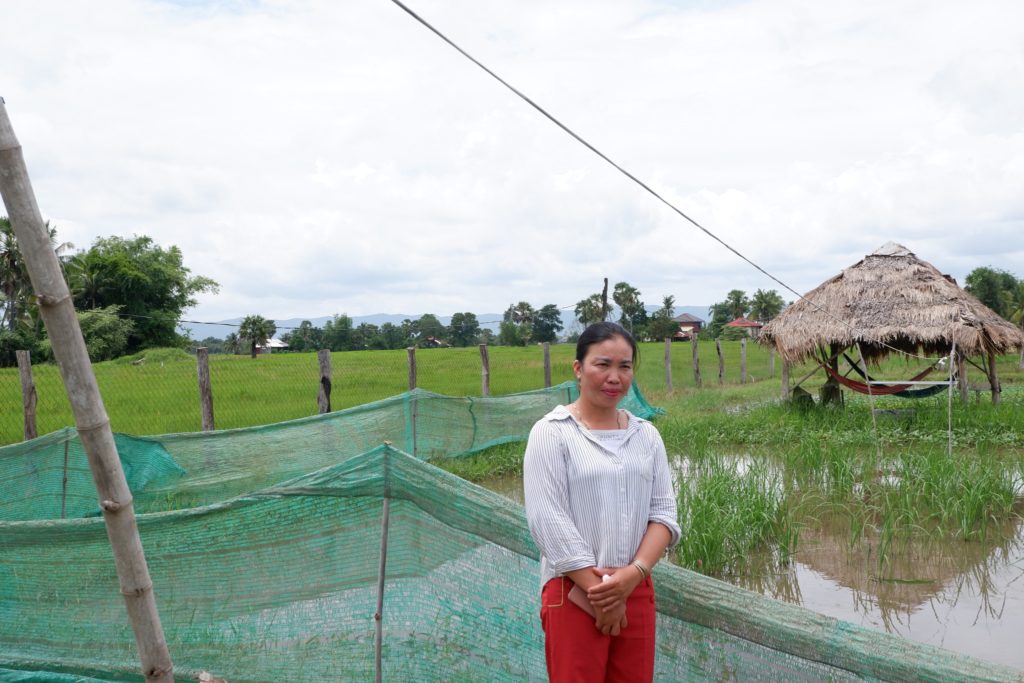
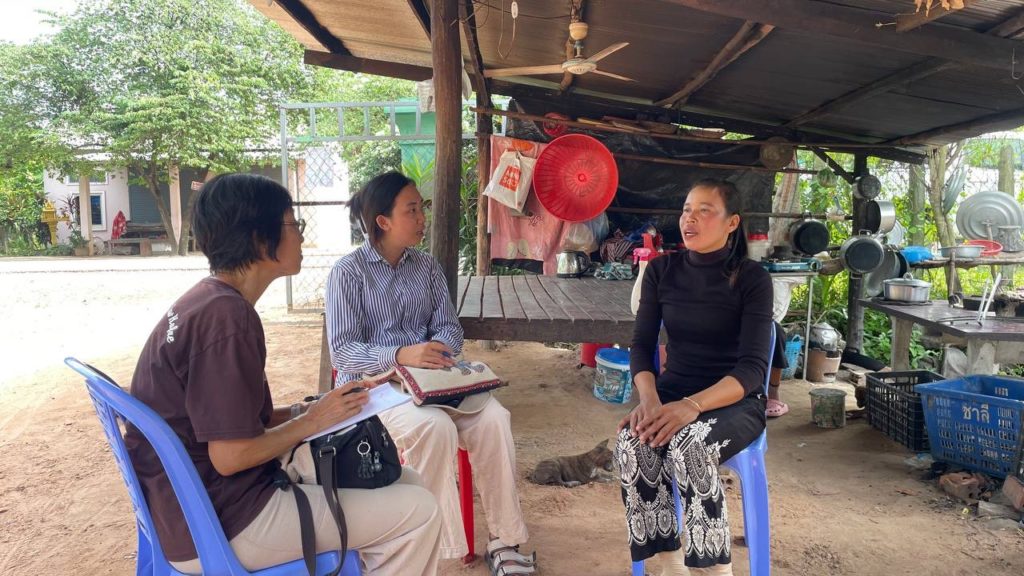
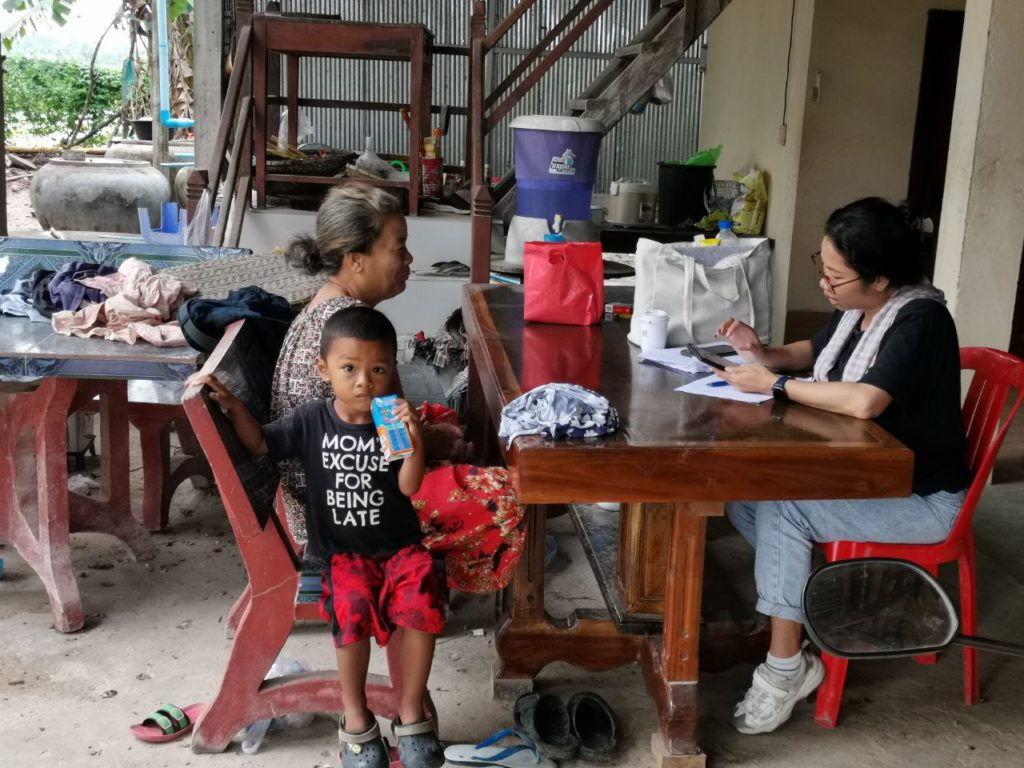
In Cambodia, rice-fish farmer individual interview for gender analysis was conducted with 52 farmers living in 8 communes of 3 provinces of Takeo, Kampong Cham, and Siem Reap.
 
The interviews were carried out by two CIRD’s researchers over a period of two months to gain an overview of the target rice-fish farmers’ socio-economic backgrounds, understand the farming practices they are using, assess gender issues at the household level, and evaluate the risks, challenges, opportunities, and motivations for practicing rice-fish farming in the Cambodian context.

Gender analysis in the Philippines

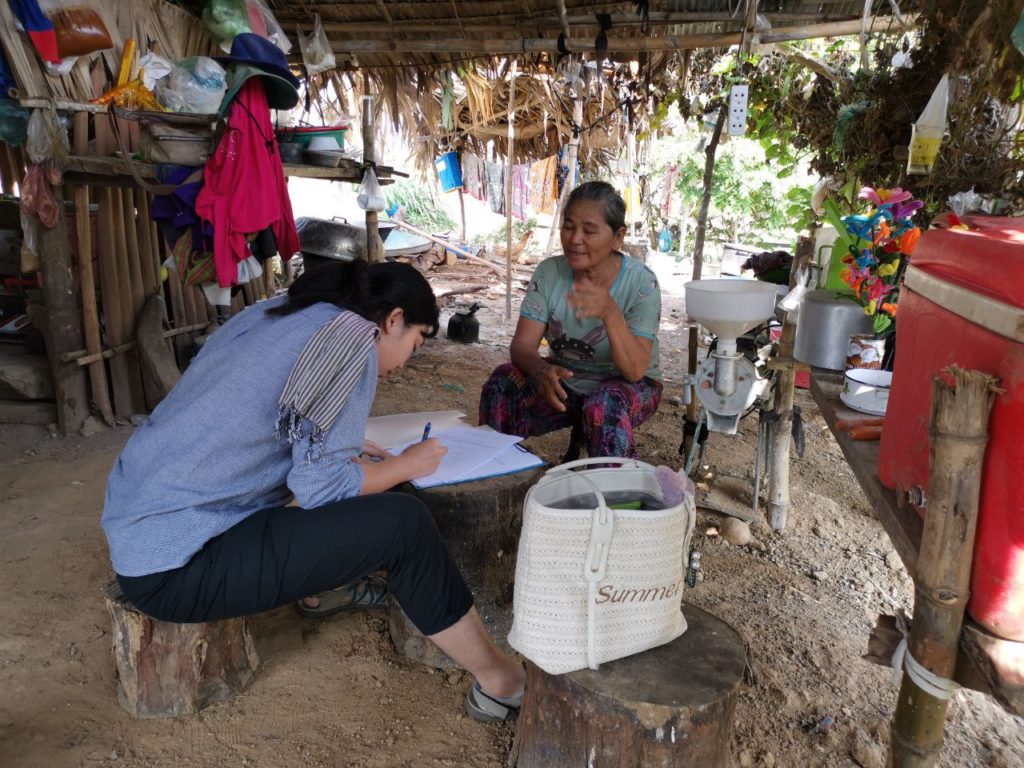
The GeNA Project in the Philippines, led by Dr. Alice Joan Ferrer of the University of the Philippines Visayas, wraps up the data collection for the socio-economics and gender analysis of the pilot sites in the Municipality of San Dionisio, Iloilo, Philippines. Focus group discussions and household surveys were conducted and participated by 234 women and 203 men.

𝗘𝗻𝗴𝗲𝗻𝗱𝗲𝗿𝗶𝗻𝗴 𝗿𝗶𝗰𝗲-𝗳𝗶𝘀𝗵 𝗰𝘂𝗹𝘁𝘂𝗿𝗲 𝗶𝗻 𝗧𝗵𝗮𝗶𝗹𝗮𝗻𝗱

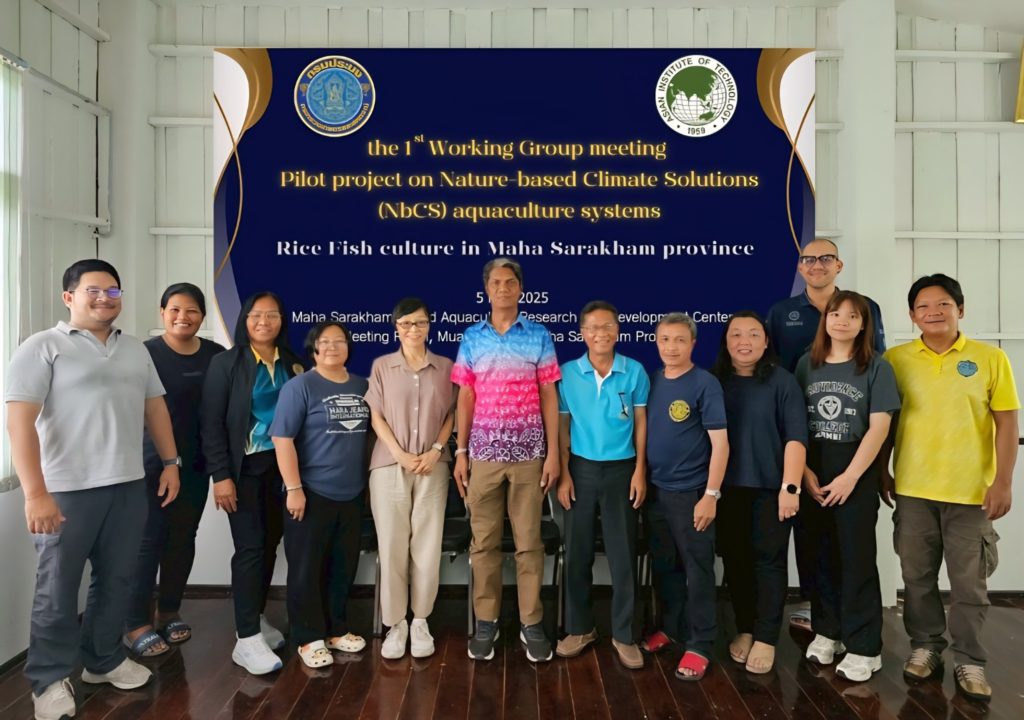
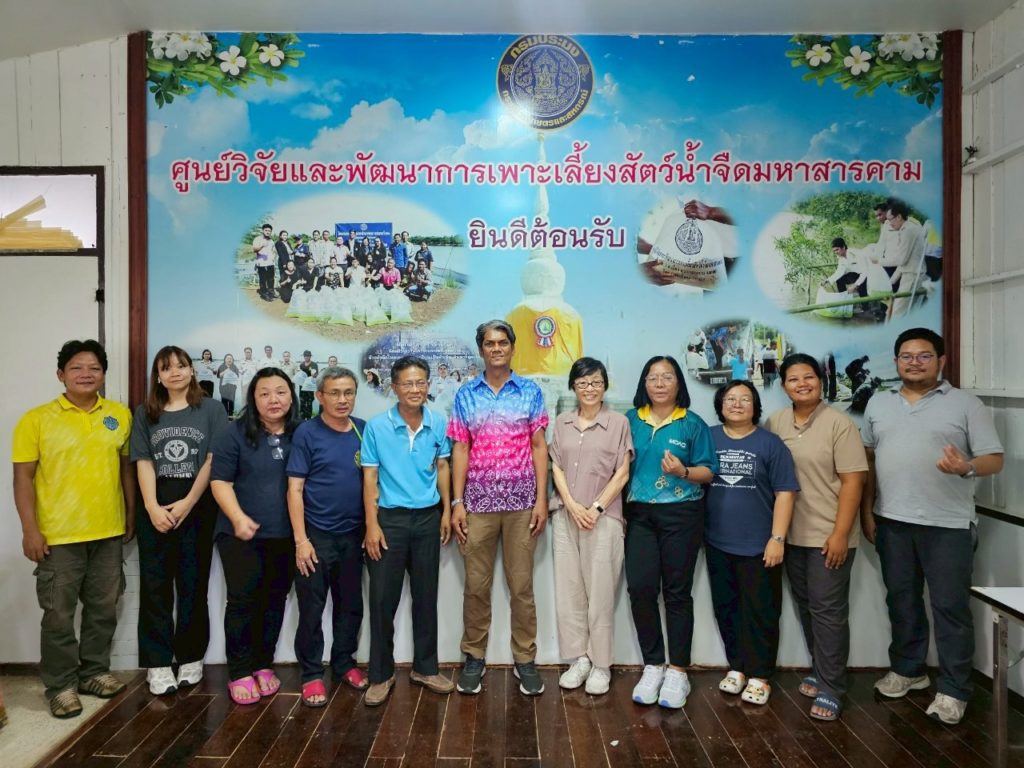
On 4–5 May 2025, the first working group meeting for the Thailand pilot site was successfully held at the Mahasarakham Inland Aquaculture Research and Development Center.
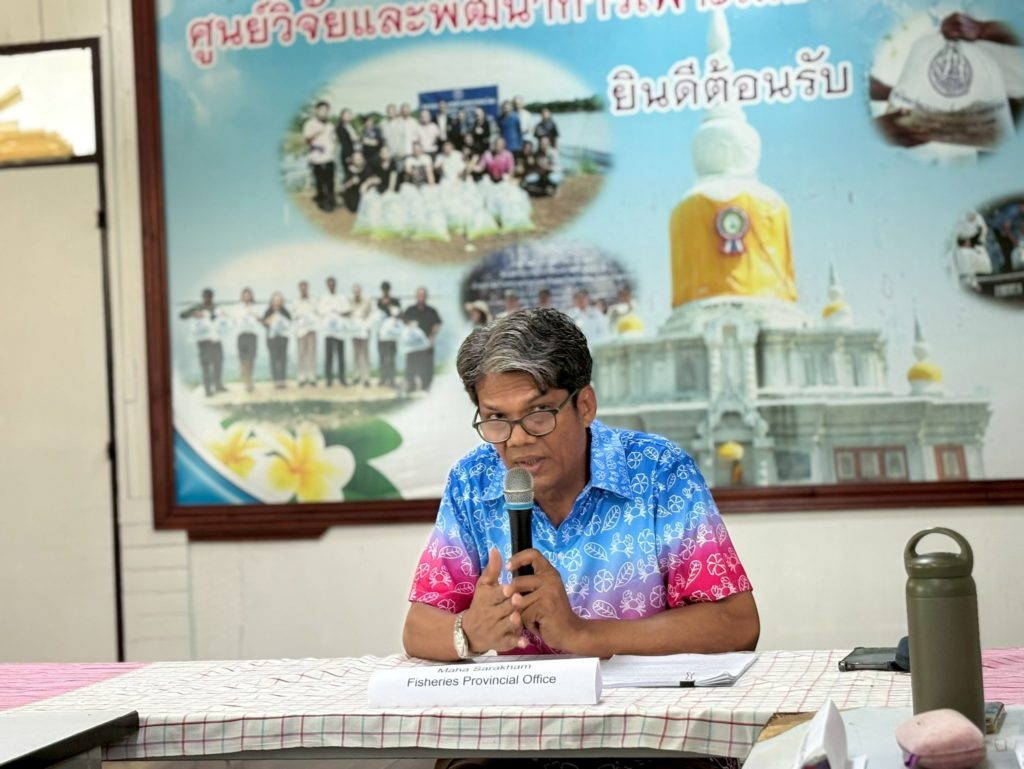
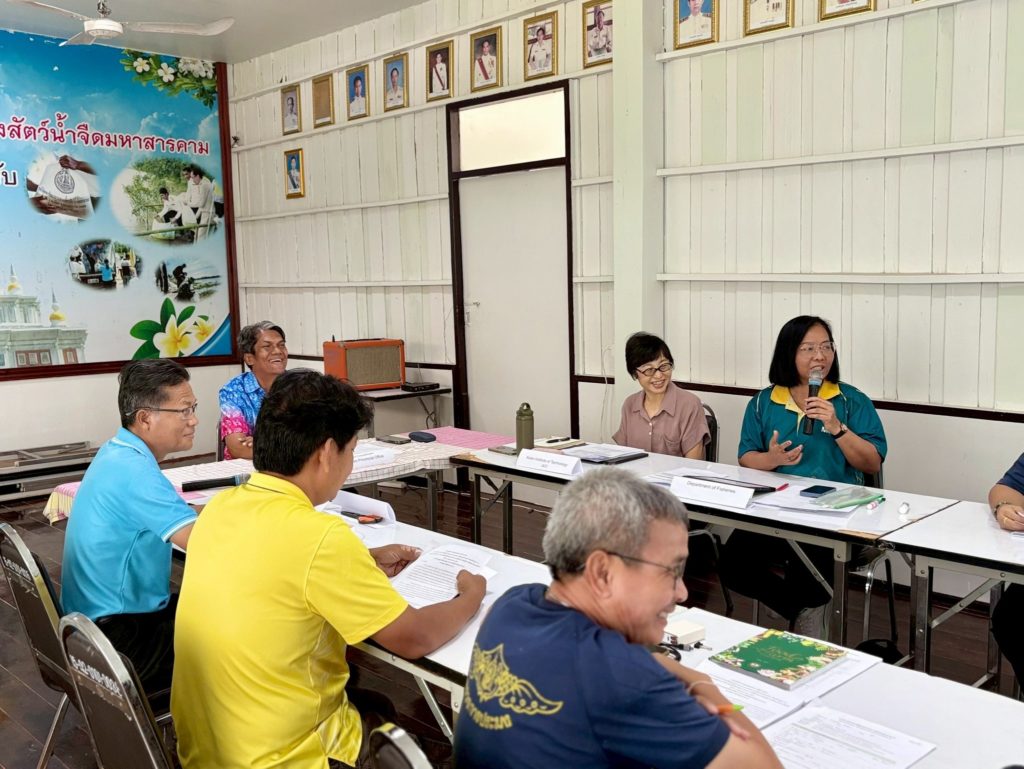
During the meeting, we shared progress on the gender analysis report and validated preliminary findings from field interviews with members of the working group. We were also honored to have the director of the fisheries provincial office and the head of the Inland Aquaculture Research and Development Center join us, offering valuable insights and guidance based on their deep understanding of local rice-fish farmers.
 
The key focus of the discussion was identifying gender-related issues and determining what should be monitored going forward. Then, the working group began developing a set of gender monitoring questions grounded in our analytical framework. The outcomes of this meeting will help shape and guide the next steps of our gender monitoring process.

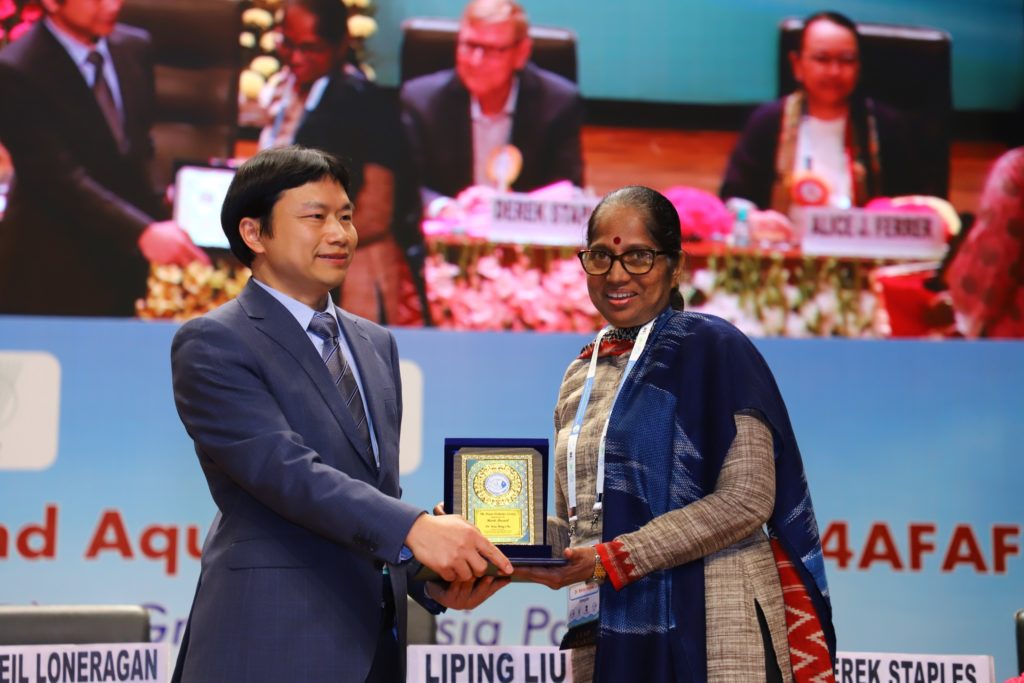
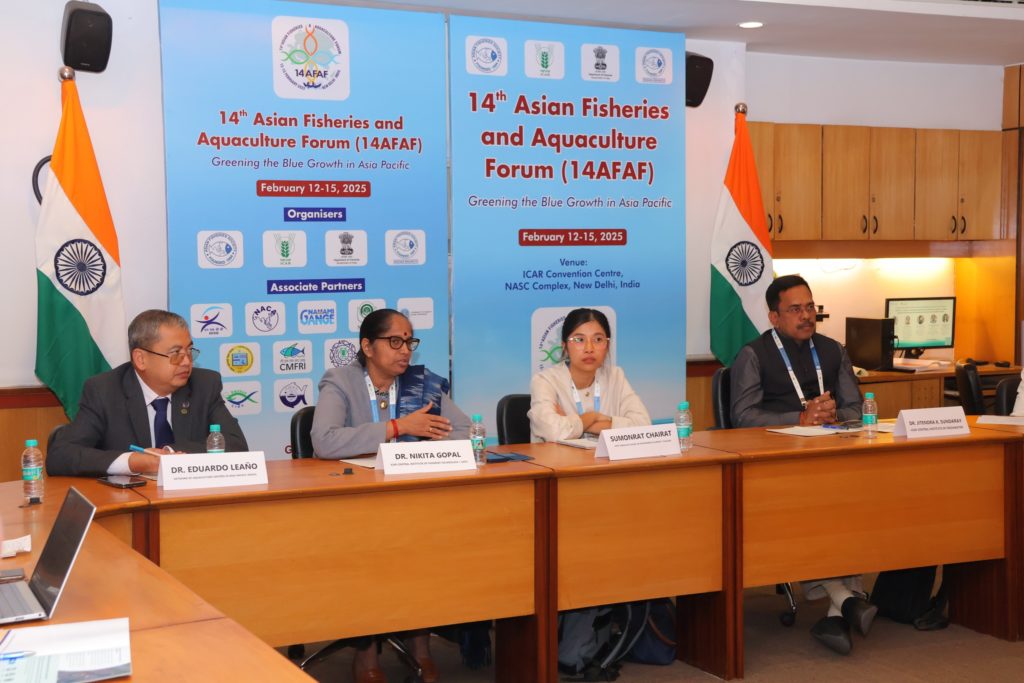
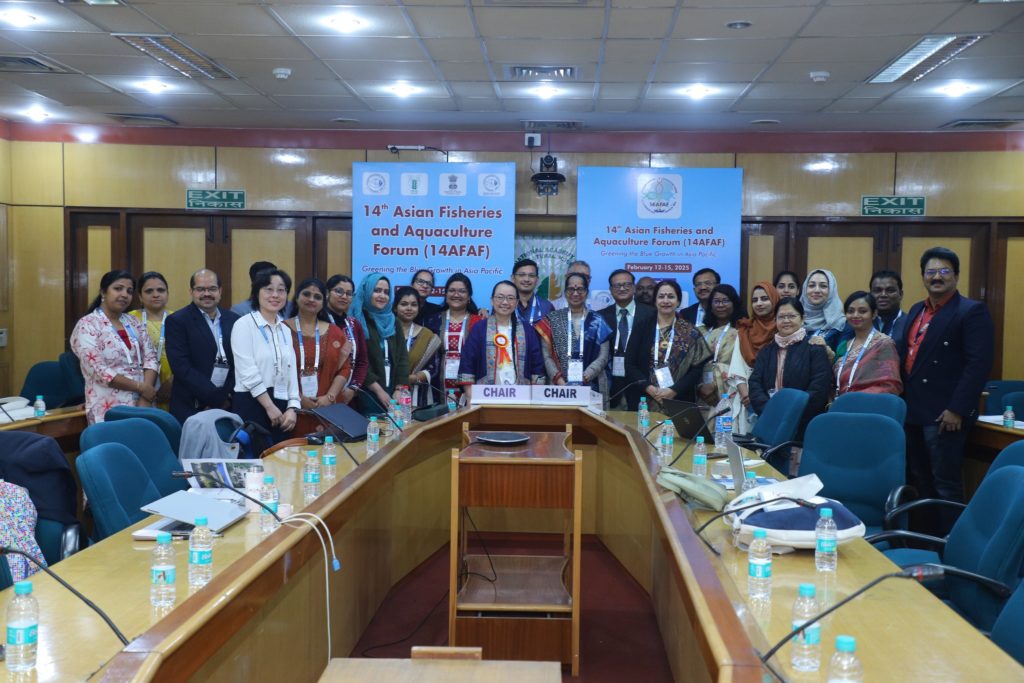
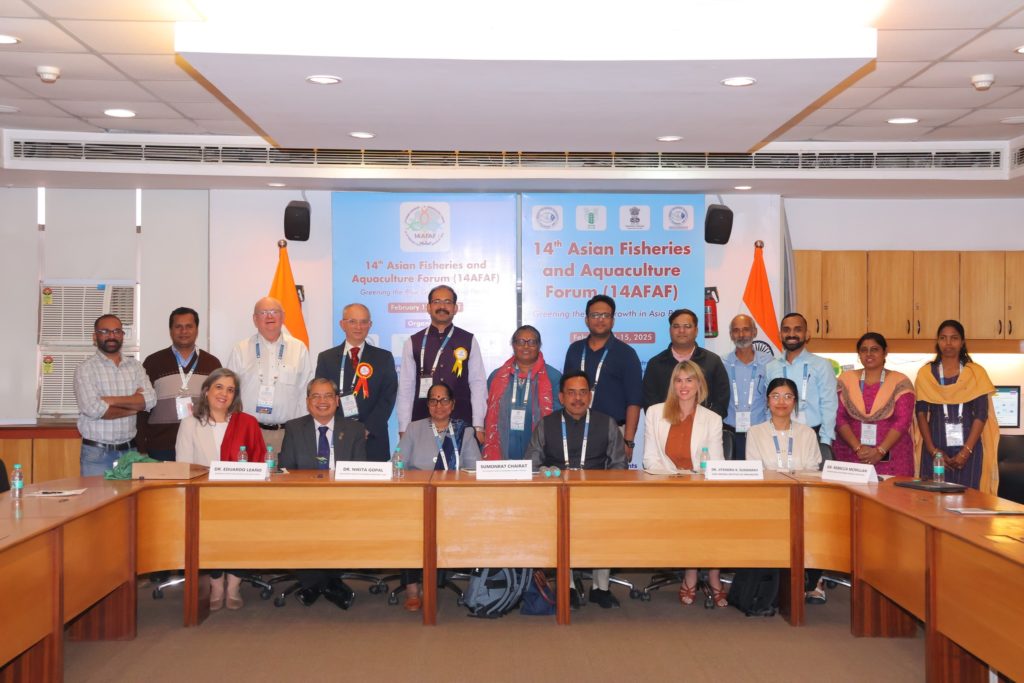
From Gender to Greening Blue Growth: Dr. Nikita Gopal’s Impactful Presence at 14AFAF 2025

Exciting Highlights from the 14th Asian Fisheries and Aquaculture Forum (14AFAF) 2025!
 
Dr. Nikita Gopal delivered a Lead Talk on the topic “Rethinking Gender Research in the Era of Big Aquaculture and Fisheries Transformations”
And she chaired the following Technical Sessions also “Socio-Economic Dynamics & Extension in Fisheries and Aquaculture”
 
“Gender in Fisheries & Aquaculture” “Fisheries Education, Skill Development and Technology Incubation”
Contributed in the Panel discussion on the topic “Greening Aquaculture’s Blue Growth through Nature-based Climate Solutions” organized by International Development Research Centre’s (IDRC) AQUADAPT initiative Moderated the AFFSRN Special Panel Session on the topic “Knowledge, Perception and Attitude of Stakeholders on Single-Use Plastic and its Effects on the Marine Environment: A Gendered Value Chain Analysis of Fisheries”
 
Dr. Nikita received the Asian Fisheries Society Merit award.

🌾🐟 𝗙𝗶𝗲𝗹𝗱 𝗩𝗶𝘀𝗶𝘁 𝘁𝗼 Seaweed farming 𝗶𝗻 Iloilo, the Philippines 🐟 🌾

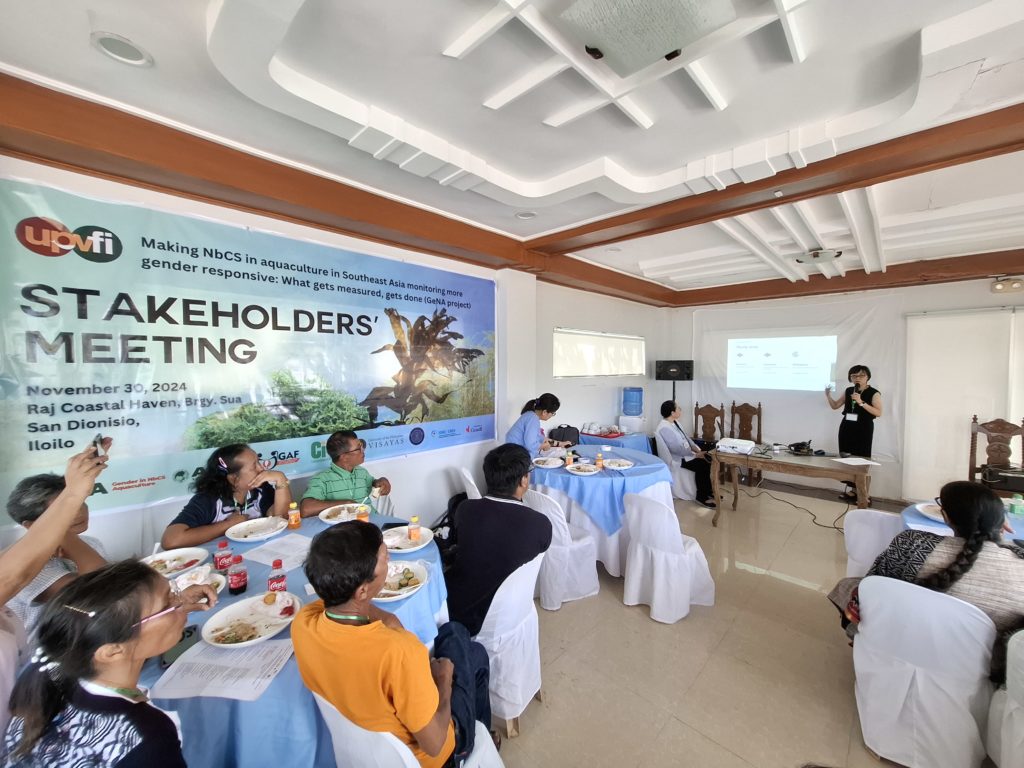
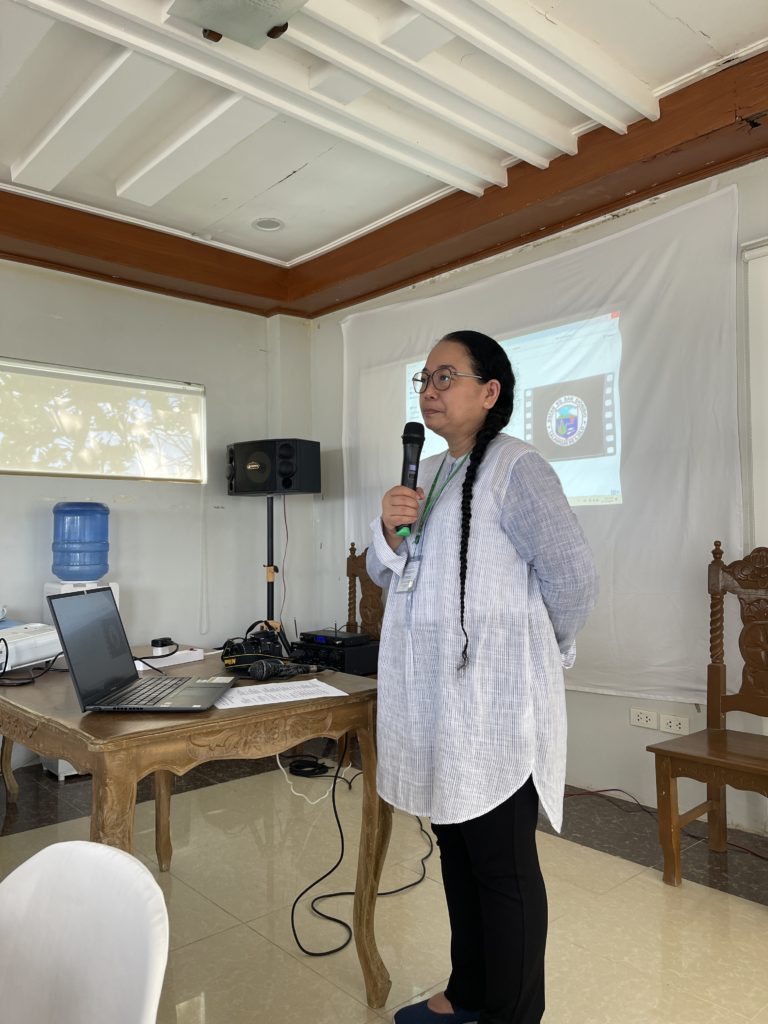
Two GeNA members, project leader Prof. Kyoko Kusakabe and Chair of GAFS Dr. Nikita Gopal, joined Dr. Alice Joan Ferrer, the lead of GeNA pilot project in the Philippines, for a stakeholder meeting at San Dionisio, Iloilo Province.
San Dionisio is a hub of seaweed production in northern Iloilo. In October 2024, San Dionisio was awarded as the top seaweed producer in Iloilo. San Dionisio made an impressive recovery from the super typhoon Haiyan in 2013. Many are full-time seaweed producers with four seaweed producers’ associations. Bura-ay Seaweeds and Fisherfolks Association
The meeting was attended by San Dionisio Mayor, Hon. Darwin E. Bajada. He was joined by representatives of the local offices in San Dionisio, Iloilo Province Agriculture Office, Bureau of Fisheries and Aquatic Resources, Department of Trade and Industry, Department of Science and Technology, University of the Philippines Visayas, seaweed farmers, presidents of seaweed farmers, and punong barangays of the three seaweed barangays of Naborot, Tabias, and Sua.
GeNA aims to promote gender and environment-friendly seaweed production in the pilot areas through its monitoring activities.
 
The next step is gender analysis in the pilot site of San Dionisio.

🌾🐟 𝗙𝗶𝗲𝗹𝗱 𝗩𝗶𝘀𝗶𝘁 𝘁𝗼 𝗥𝗶𝗰𝗲-𝗙𝗶𝘀𝗵 𝗙𝗮𝗿𝗺𝗲𝗿𝘀 𝗶𝗻 𝗖𝗮𝗺𝗯𝗼𝗱𝗶𝗮 🐟 🌾

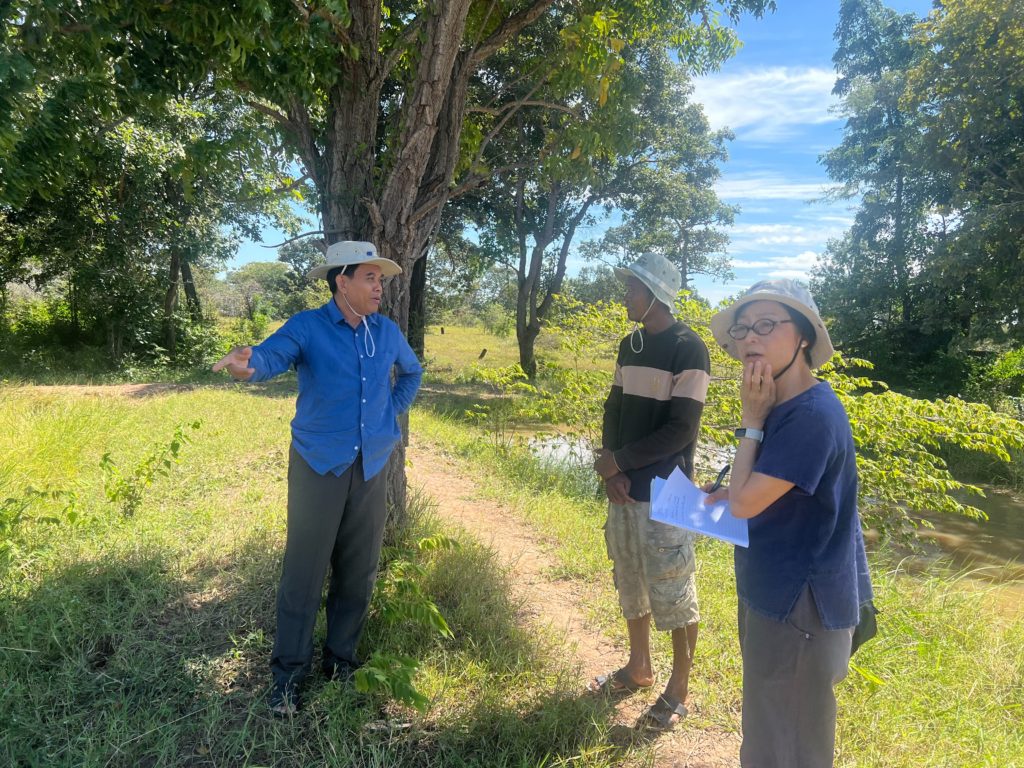
From 18th to 22nd November 2024, Prof. Kyoko Kusakabe and the CIRD team, including Mr. Sereyvath Prak and Ms. Ouly Thorng, visited four provinces in Cambodia—Takeo, Kampong Cham, Siem Reap, and Banteay Meanchey. The mission focused on assessing rice-fish farming systems and gathering insights to support sustainable practices and future research.
 
𝗞𝗲𝘆 𝗧𝗮𝗸𝗲𝗮𝘄𝗮𝘆𝘀:
 
Farmers rely on rice cultivation for income, with most rice fields connected to small ponds (<0.5 ha) dug within the last five years for irrigation and fish catching. Freshwater fish thrive naturally in these systems with minimal intervention, but improvements are needed to enhance fish habitats and reproduction.
 
Men primarily lead farming activities, but women actively support in rice production and fish processing activity and also contribute particularly in community roles such as women’s groups and agricultural cooperatives.
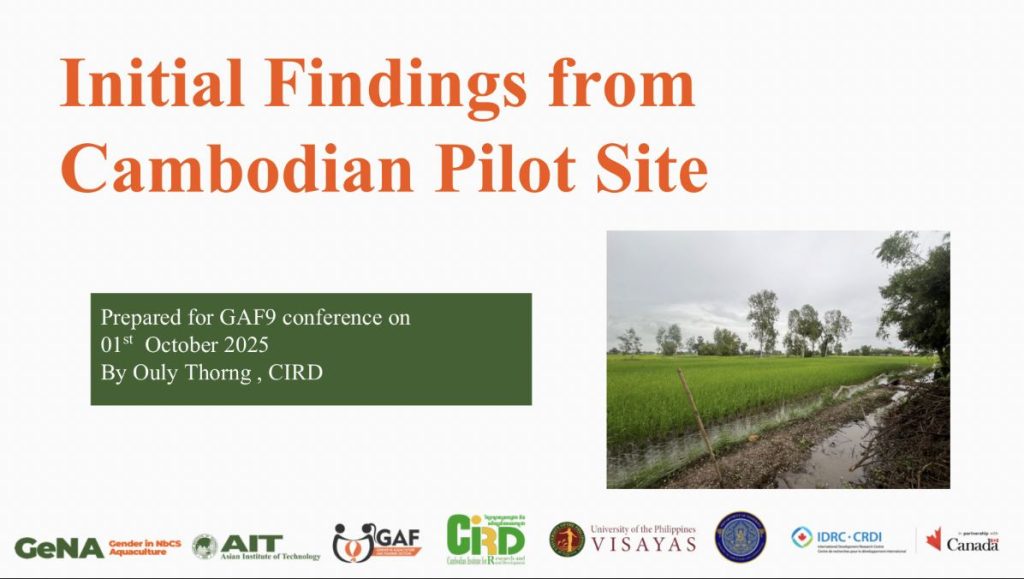
 
Despite their motivation to improve these systems, farmers face challenges such as limited technical knowledge, financial risks, and water shortages during the dry season.

🌾🐟 𝗘𝘅𝗽𝗹𝗼𝗿𝗶𝗻𝗴 𝗥𝗶𝗰𝗲-𝗙𝗶𝘀𝗵 𝗙𝗮𝗿𝗺𝗶𝗻𝗴 𝗶𝗻 𝗠𝗮𝗵𝗮 𝗦𝗮𝗿𝗮𝗸𝗵𝗮𝗺 𝗣𝗿𝗼𝘃𝗶𝗻𝗰𝗲, 𝗧𝗵𝗮𝗶𝗹𝗮𝗻𝗱 🐟🌾

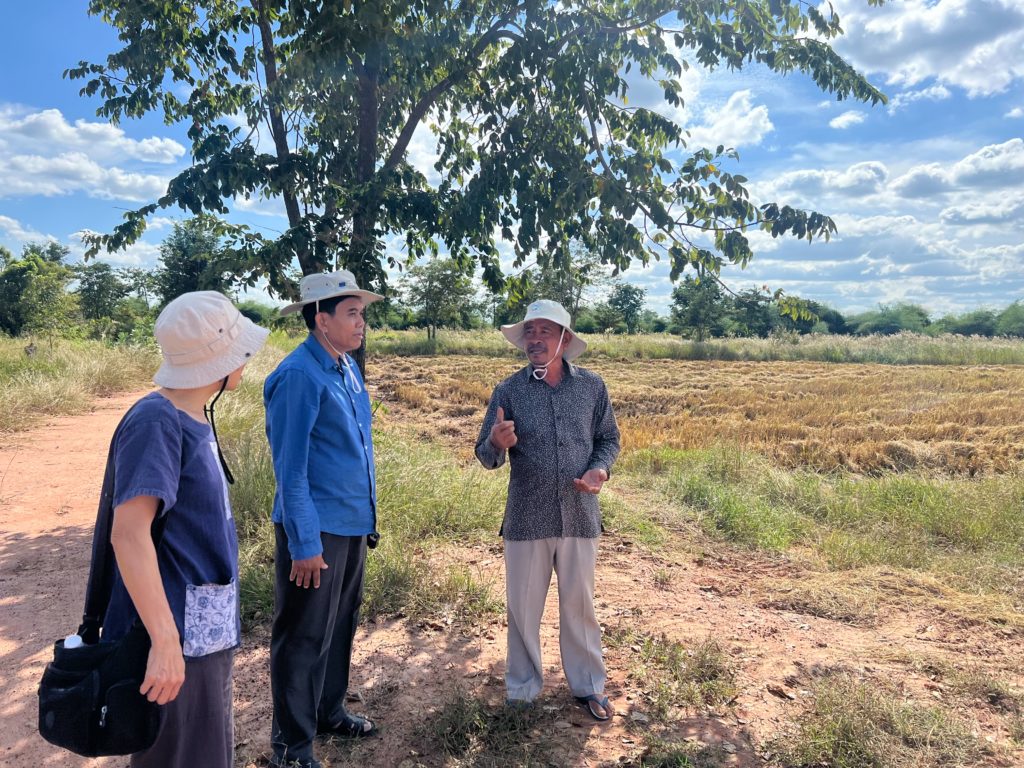
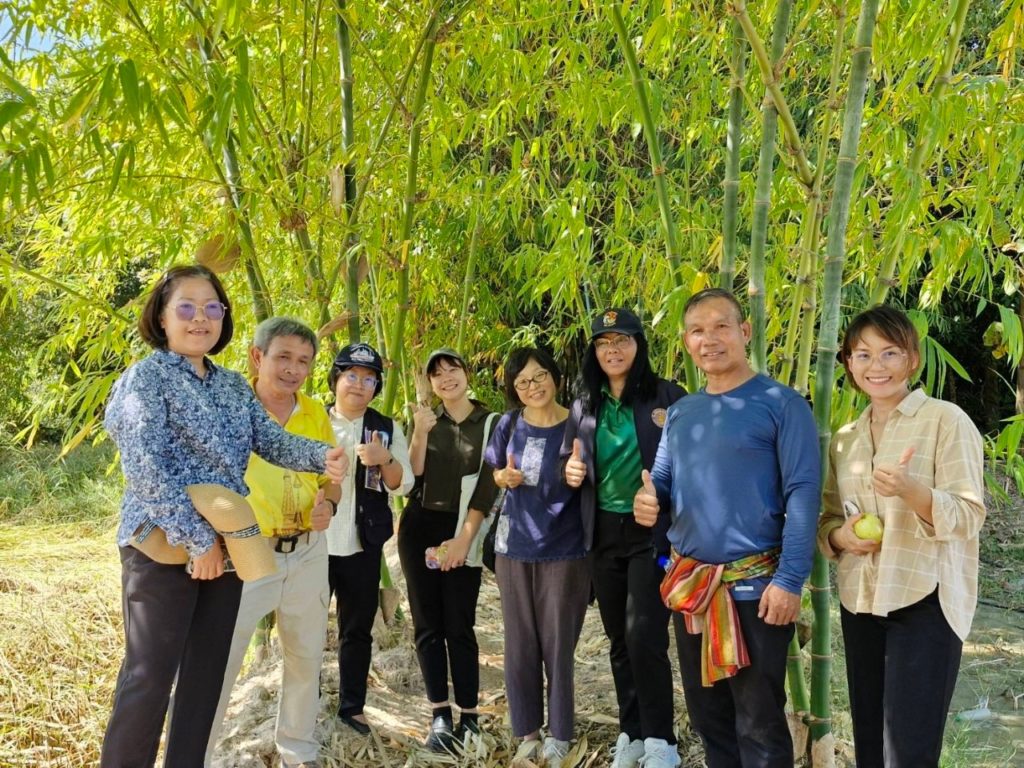
Maha Sarakham province, with its vast agricultural land, holds great potential for integrating fish farming with rice cultivation. On 13-14 November 2024, GeNA members, Prof. Kyoko Kusakabe and Chollada Wongpanich; Thailand Pilot project leader, Dr. Malasri Khumsri and Fishery Biologists from the Department of Fisheries (DoF), Ms. Tamonwan Raweng and Ms. Arunkamon Thamthura, surveyed 6 farmers across Phayakkhaphum Phisai and Kosum Phisai districts to explore this opportunity.
 
Here are some key takeaways from the fields:
 
1. Farmers’ Motivation: Some joined government projects such as “One Tambon One New Theory” and the “Large Agricultural Land Plot” to help enhance their rice fish farming methods, while others were driven by the Covid pandemic’s impact.
 
2. Fish Farming Practices: Rice-fish farming relies on natural rainfall for irrigation, with fish playing a crucial role in pest control within the rice fields. Using organic fertilizers as a sustainable and natural food source for the fish, promoting an eco- friendly farming approach. Also, farmers enhance the water quality by creating “fish sandwiches” from decomposed rice stubble, while
 
3. Challenges: Access to water remains a key challenge, with many fields located outside irrigation zones. Climate change, droughts, and irregular rainfall are also affecting fish farming practices.
GeNA Project's Panel Participation at ICAF2024 on "Nature-based Solutions and Aquaculture in the Asia-Pacific Region"

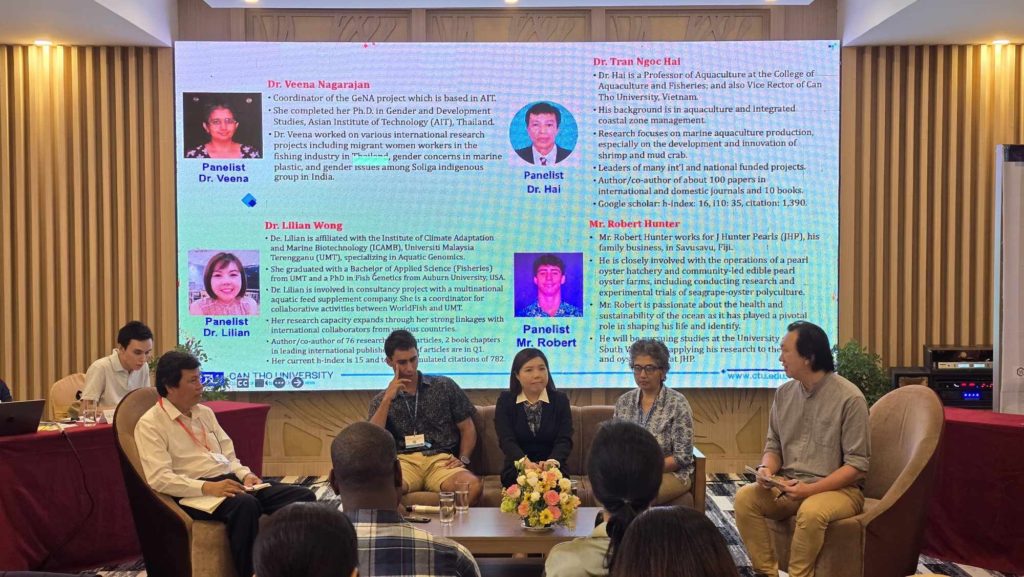
Dr. Veena N., representing the GeNA project, served as a panelist in the discussion titled “Nature-based Solutions and Aquaculture in the Asia-Pacific Region” on October 19, 2024. This session was part of the “International Conference on Aquaculture (ICAF2024): Panoramic View of Innovations,” held in Phu Quoc, Vietnam. Hosted by the USER project under the IDRC AQUADAPT program, the panel was organized by Chiang Mai University’s Unit for Social and Environmental Research in collaboration with Can Tho University, Vietnam. Joining Dr. Veena N. on the panel were Dr. Lilian Wong from the CAINA project, Dr. Tran Ngoc Hai from the USER project, and Mr. Robert Hunter from the Aqua-Pearl project.
GeNA Project Partners with UPVFI to Enhance Gender Monitoring in Nature-based Aquaculture

14 October 2024
 
AIT has entered into a Memorandum of Understanding (MoU) with the University of the Philippines Visayas Foundation, Inc. (UPVFI), to promote gender-responsive monitoring within nature-based aquaculture. This partnership will utilize a newly designed gender monitoring schema at pilot aquaculture sites in the Philippines, as part of the project titled “Making Nature-based Climate Solutions (NbCS) in aquaculture in Southeast Asia monitoring more gender-responsive: What gets measured gets done,” commonly referred to as the GeNA project. This initiative is included in IDRC Canada’s AQUADAPT portfolio.
 
The objective of the GeNA project is to develop and evaluate a gender monitoring schema that focuses on the participation of women and men in NbCS aquaculture, aiming to facilitate sustainable transitions in the face of climate change. By building on existing gender monitoring frameworks, the project will create a tailored and reflective gender monitoring framework that is specific to nature-based climate solutions in aquaculture. Dr. Alice Joan G. Ferrer of the University of the Philippines Visayas is the assigned technical person for the pilot sites in the Philippines.

GeNA project and CIRD sign MoU to Advance Gender Monitoring in Nature-based Aquaculture

1 October 2024
 
AIT has signed a Memorandum of Understanding (MoU) with the Cambodian Institute for Research and Development (CIRD), a leading NGO based in Cambodia, to advance gender-responsive monitoring in nature-based aquaculture. This collaboration will test a newly developed gender monitoring schema at pilot rice-fish farming sites in Cambodia, under the project titled. “Making Nature-based Climate Solutions (NbCS) in aquaculture in Southeast Asia monitoring more gender-responsive: What gets measured gets done”, or GeNA project in short. This project is part of IDRC Canada’s AQUADAPT portfolio.
 
The GeNA project aims to develop a gender monitoring schema and test the processes by which women and men participate in NbCS aquaculture that help achieve transitions to greater sustainability under climate change. Based on existing gender monitoring frameworks, the project will develop a reflexive and context specific gender monitoring framework for nature-based climate solutions in aquaculture.

Expert Clinic on Gender Monitoring Schema

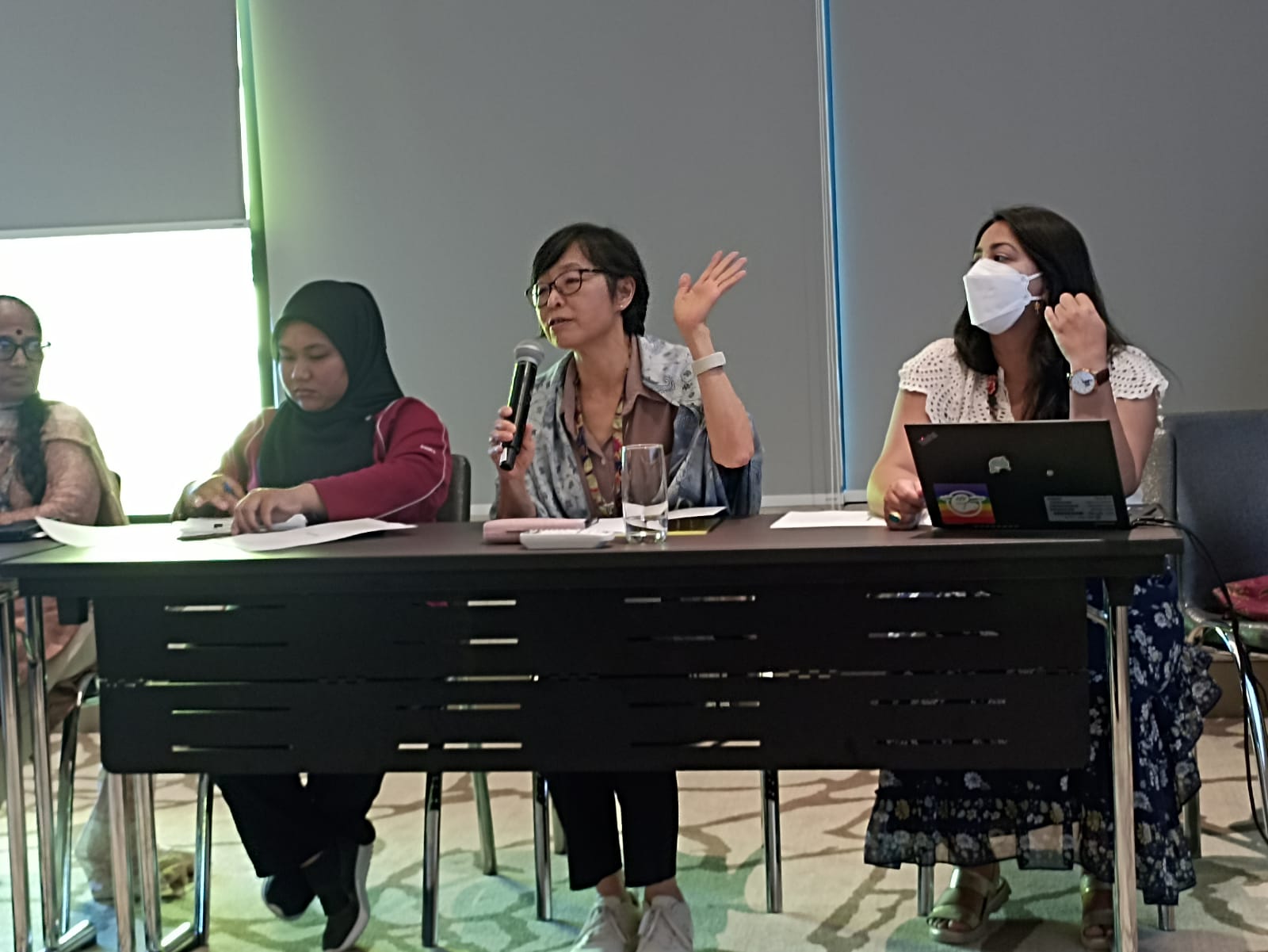
Prof. Kyoko Kusakabe presenting the “Gender-responsive monitoring schema in aquaculture” at the expert clinic organized by IDRC during the 2nd AQUADAPT peer-learning event in Penang from 21-23 July 2024.

The clinic was attended by 16 participants from other AQUADAPT teams and ended with an interesting discussion about the importance of and challenges inherent in monitoring processes, including psychological, economic, social, cultural and environmental processes in a project.

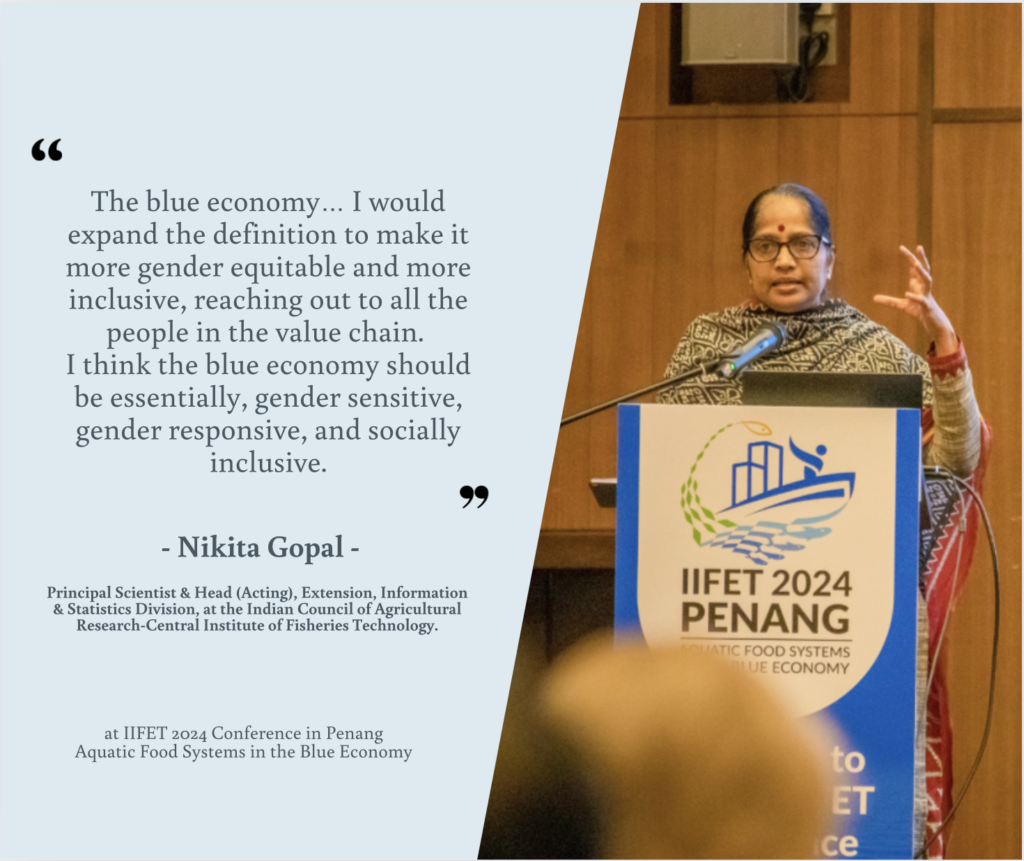
Redefining the Blue Economy: Towards Gender Equity and Social Inclusion

GeNA Team Members Participate in 2nd AQUADAPT Peer-Learning Event in Penang

GeNA team members, Dr. Kyoko Kusakabe, Dr. Arlene Nietes Satapornvanit and Dr. Nikita Gopal, attended the 2nd AQUADAPT peer-learning event in Penang from 21-23 July 2024, along with participants from 10 other AQUADAPT projects. The peer-learning was organized by IDRC and WorldFish with support from Inclusive Innovation. #IDRC_AQUADAPT #WorldFish

"Governance for Inclusive and Resilient Aquatic Food Systems" Discussion at IIFET Conference 2024

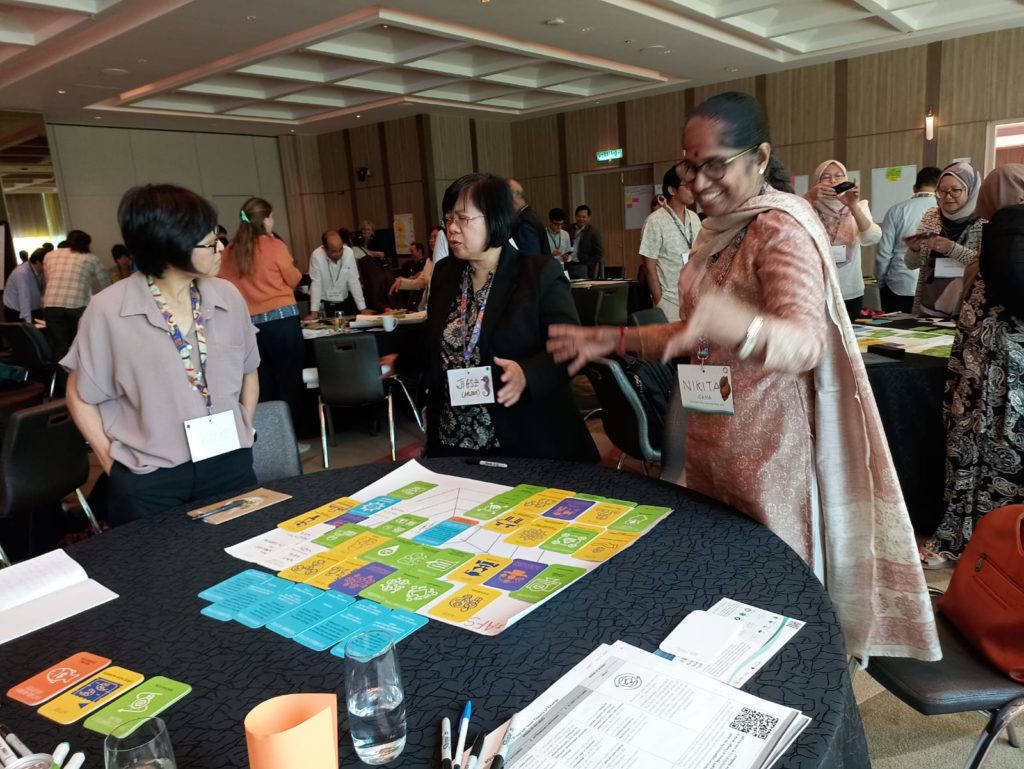
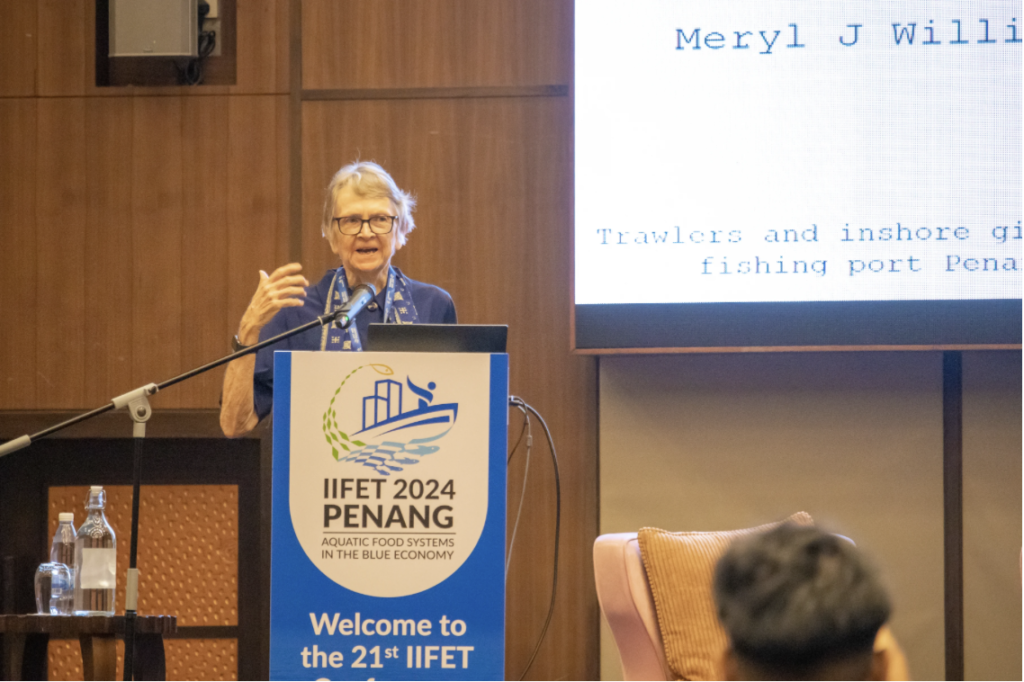
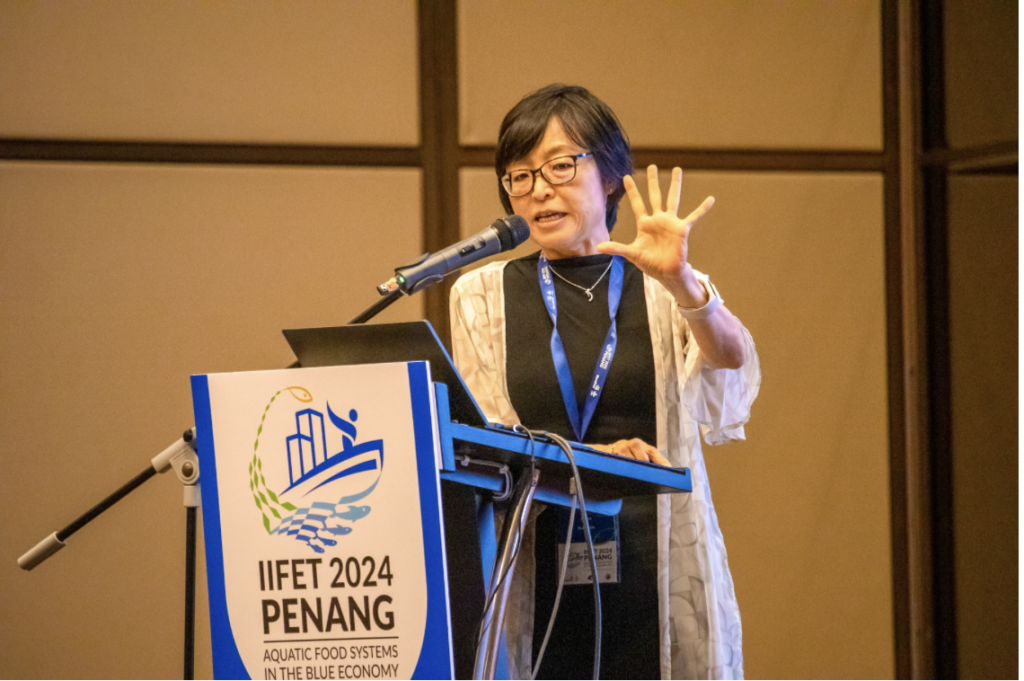
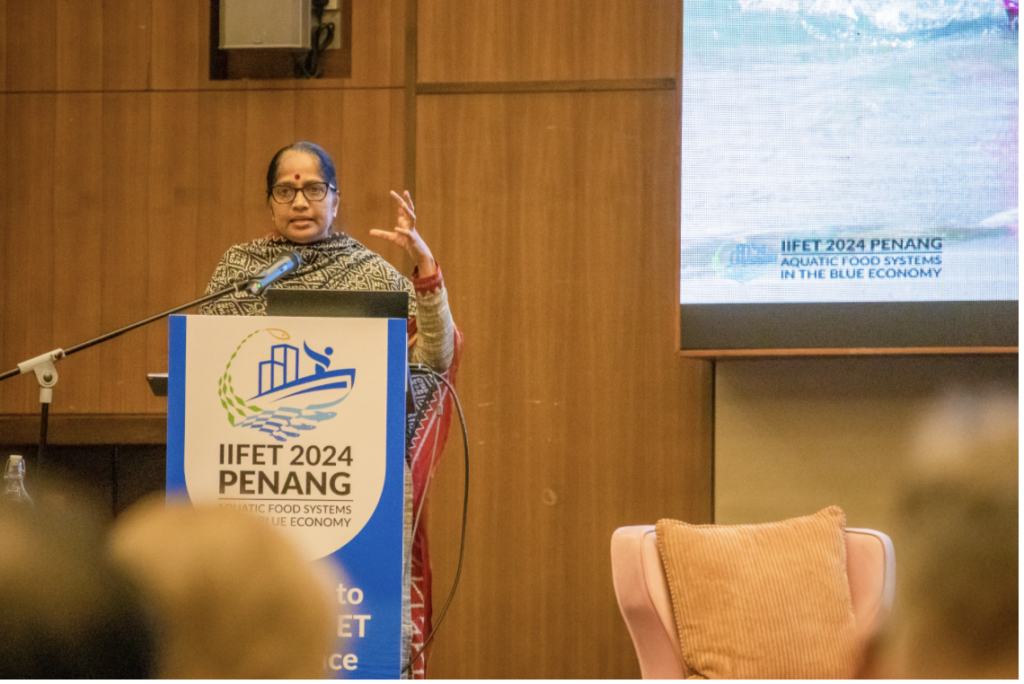
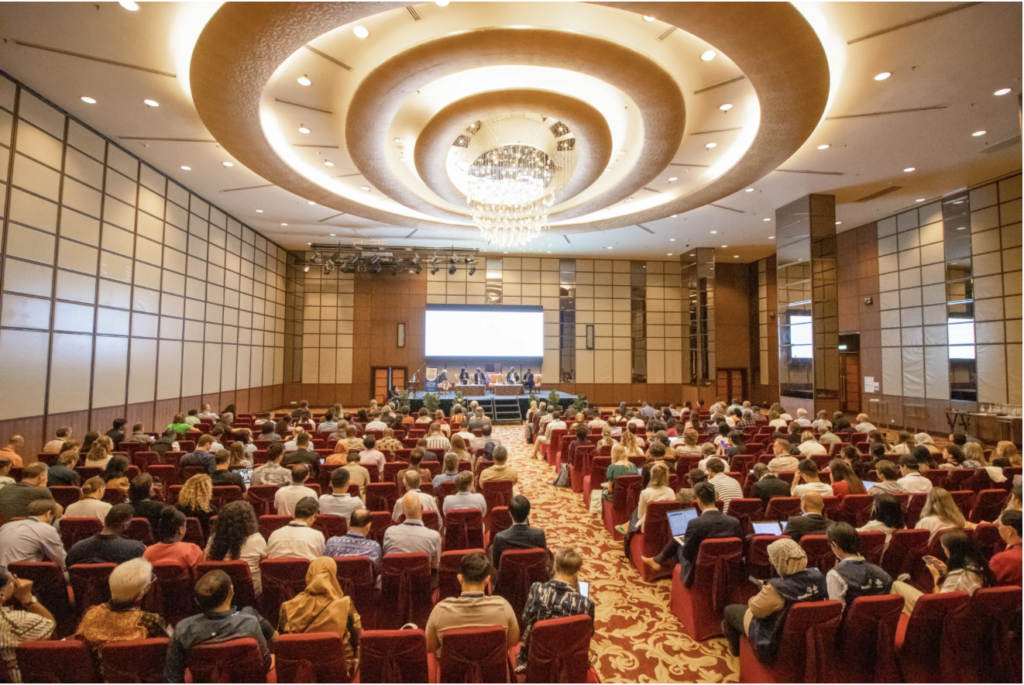
GeNA’s contributions to the IIFET Conference 2024 held between July 15 – 19, 2024. On the second day of the conference, GeNA team members Dr. Meryl Williams, 
Dr. Kyoko Kusakabe, and Dr. Nikita Gopal actively participated in a discussion on “Governance for Inclusive and Resilient Aquatic Food Systems”. The discussion helped to bring the focus of the Blue Economy on equitability in line with the theme of IIFET 2024 which was Aquatic Food Systems in the Blue Economy. About 350 experts from 51 countries gathered in Penang, Malaysia, to discuss and shape the future of fisheries and aquaculture economics.

Original post from WorldFish

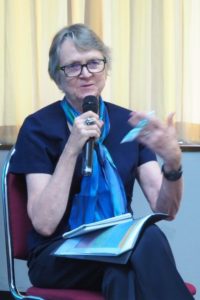
Distinguished Service Award for Dr. Meryl Williams

Dr. Meryl Williams was awarded the 2024 Distinguished Service Award by the International Institute of Fisheries Economics & Trade (IIFET) in acknowledgement of her lifelong dedication to sustainable fisheries and her pivotal role in improving the welfare of fishing communities worldwide.

Dr. Meryl Williams is a member of GeNA project team and past president of GAFS. Throughout her career, she has significantly impacted marine conservation and policy on a global scale. Her leadership positions, including Director General of the WorldFish Center, showcase her expertise. Notably, she champions gender equality within the field, increasing awareness of women’s contributions to fisheries and aquaculture economics.

The award was given at the IIFET 2024 conference in Penang, Malaysia (July 15-19), where she was an invited speaker and also co-lead the workshop “Integrating Gender into Fisheries and Aquaculture Economics and Trade Research.”


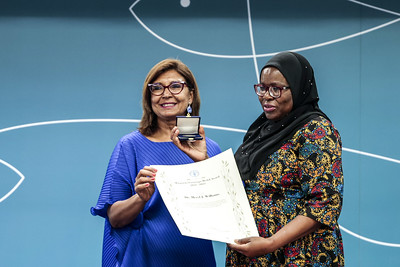
Margarita Lizárraga Medal Award for Dr Meryl Williams.

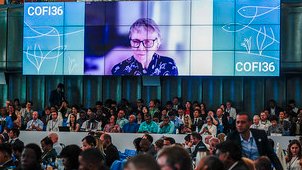
Dr. Meryl Williams was awarded the Margarita Lizárraga Medal for her global impact on fisheries and dedication to women’s empowerment on 9 July 2024 at the 36th Session of the Committee on Fisheries (COFI36). Dr. Kafayat accepted the award on behalf of Dr. Williams.


The Medal, which is awarded by the Director-General FAO every two years, was established in 1997 to pay tribute to the late Ms Margarita Saucedo Lizárraga, Senior FAO Fishery Liaison Officer, for her work in promoting the Code of Conduct for Responsible Fisheries for almost forty years, for her great dedication to FAO and for her strong commitment towards fostering the promotion of the fisheries sector, especially in developing countries.


Awardees are selected based on an outstanding, practical hands-on contribution to the application of the Code of Conduct for Responsible Fisheries demonstrating a tangible output; the activity should be a sustained effort, and not a one–off initiative; and the output should have the potential for a catalytic effect.


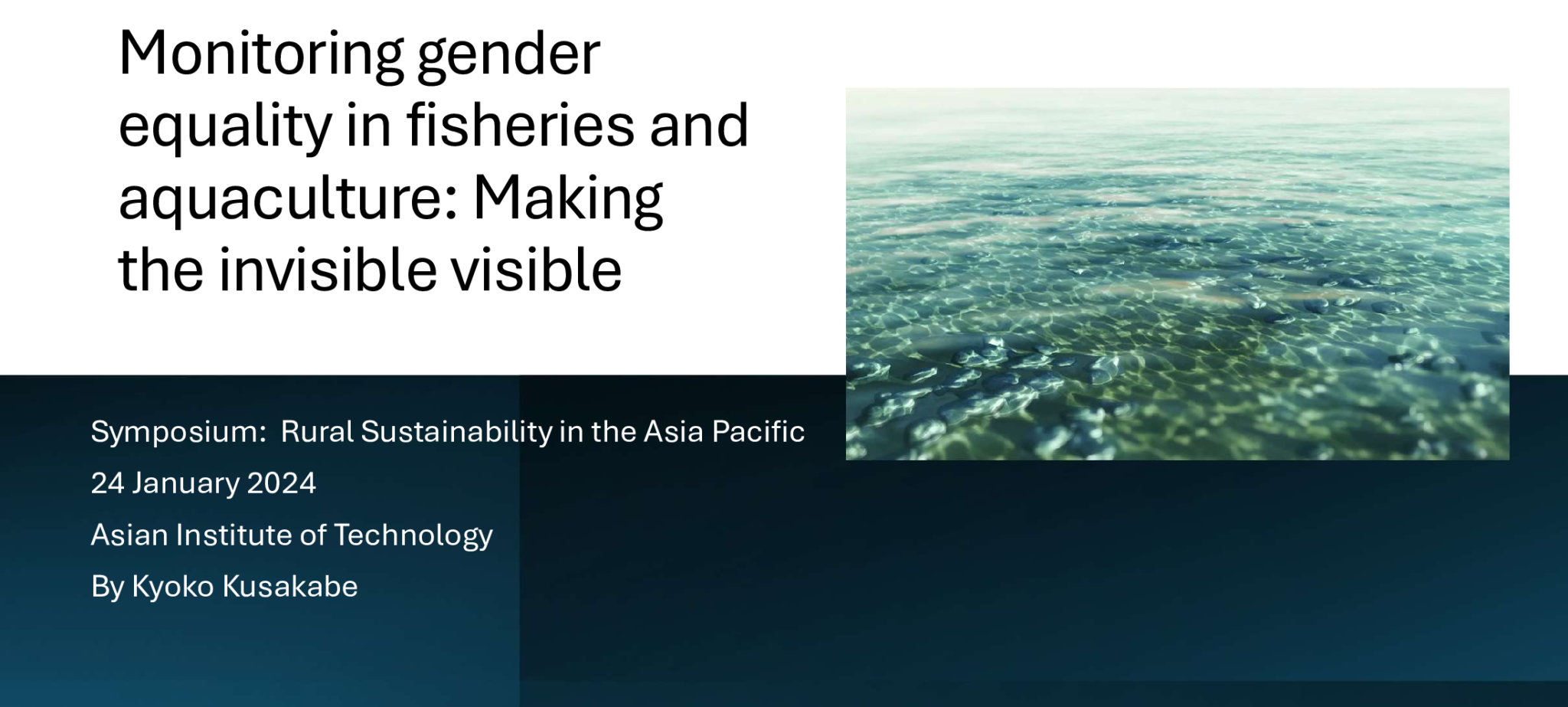
Monitoring gender equality in fisheries and aquaculture: Making the invisible visible

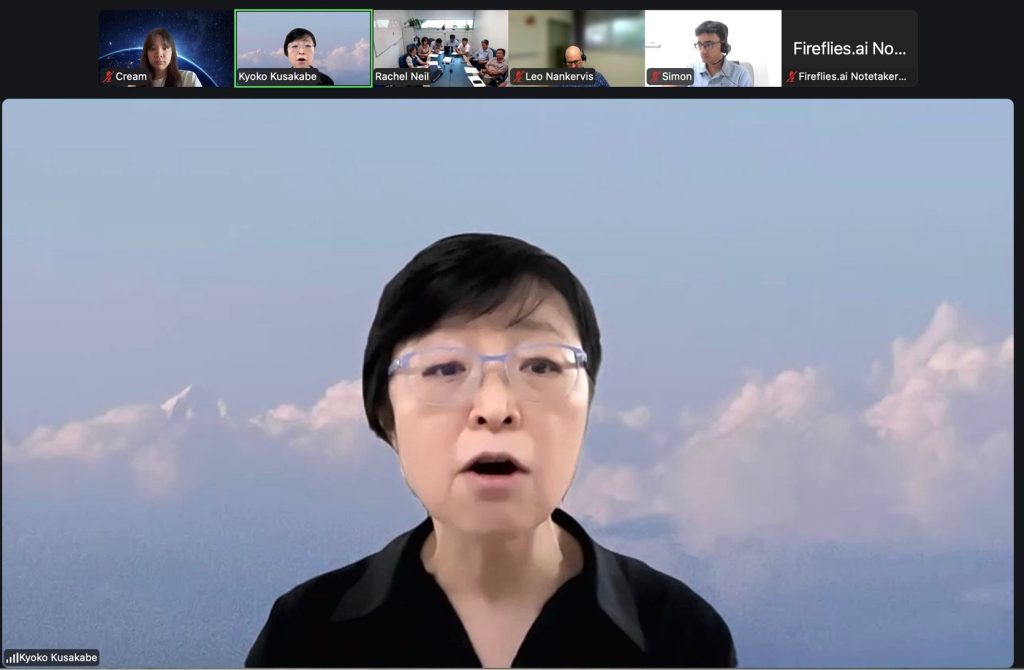
Prof. Kyoko Kusakabe made a presentation on “Monitoring gender equality in fisheries and aquaculture: Making the invisible visible” on 24 January 2024 at the symposium on Rural Sustainability in the Asia PacificMonitoring only outcomes and not processes makes project monitoring inefficient in capturing how development efforts can move from one outcome to the next, and therefore the learning from such monitoring efforts are limited.

© 2024 GeNA – Gender in NbCS Aquaculture. All rights reserved.